

Cleaning a cement block mould is a crucial maintenance task that ensures the longevity and quality of your moulds. As a supplier of high - quality cement block moulds, I understand the importance of proper cleaning. In this blog, I'll share comprehensive steps on how to clean a cement block mould effectively.
Why Clean Your Cement Block Mould?
Before delving into the cleaning process, it's essential to understand why cleaning is necessary. Over time, cement residue builds up on the mould surface. This residue can lead to uneven block surfaces, reduced dimensional accuracy, and even corrosion of the mould. Regular cleaning helps maintain the smoothness of the mould, which in turn results in well - formed, high - quality cement blocks. It also extends the lifespan of the mould, saving you money in the long run.
Tools and Materials Required
To clean a cement block mould, you'll need the following tools and materials:
- Wire Brushes: Different sizes of wire brushes are useful for scrubbing away stubborn cement deposits. A stiff - bristled brush can handle thick layers, while a softer one can be used for more delicate areas.
- Pressure Washer: A pressure washer can quickly remove loose cement and dirt from the mould. It's a time - saving tool, especially for larger moulds.
- Cleaning Agents: There are various cleaning agents available in the market. Acid - based cleaners are effective for dissolving cement, but they need to be used with caution as they can be corrosive. Alkaline cleaners are a milder alternative and are suitable for regular cleaning.
- Safety Equipment: Gloves, goggles, and a respirator are essential to protect yourself from the cleaning agents and dust.
Step - by - Step Cleaning Process
Step 1: Preparation
First, ensure that the mould is completely cooled down if it has been recently used. Place the mould in a well - ventilated area. Put on your safety equipment, including gloves, goggles, and a respirator. This is important to protect yourself from any chemicals and dust that may be released during the cleaning process.
Step 2: Remove Loose Debris
Use a wire brush to remove any loose cement, dirt, or debris from the mould surface. Start from the edges and work your way towards the center. Pay special attention to the corners and crevices where debris tends to accumulate. You can also use a pressure washer on a low - pressure setting to blow away loose particles. This initial cleaning will make the subsequent steps more effective.
Step 3: Apply Cleaning Agent
Depending on the type of cleaning agent you've chosen, follow the manufacturer's instructions for dilution and application. If you're using an acid - based cleaner, it's crucial to wear appropriate protective gear. Pour the cleaning agent onto the mould surface and use a brush to spread it evenly. Let the cleaning agent sit on the mould for the recommended time. This allows the agent to break down the cement deposits.
Step 4: Scrubbing
After the cleaning agent has had time to work, use a wire brush to scrub the mould surface vigorously. Focus on areas with thick cement buildup. For hard - to - reach areas, you can use a smaller brush or a toothbrush. Scrubbing helps to dislodge the dissolved cement and dirt from the mould. If the deposits are still stubborn, you may need to re - apply the cleaning agent and scrub again.
Step 5: Rinse the Mould
Use a pressure washer on a high - pressure setting to rinse the mould thoroughly. Make sure to remove all traces of the cleaning agent and dissolved cement. Start from the top of the mould and work your way down. Pay attention to ensure that no cleaning agent is left behind, as it can cause damage to the mould or affect the quality of the next batch of cement blocks.
Step 6: Inspect the Mould
Once the mould is rinsed, inspect it carefully for any remaining cement deposits or damage. If you find any areas that still need cleaning, repeat the previous steps until the mould is completely clean. Check for any signs of wear and tear, such as cracks or dents. If you notice any damage, it's important to address it promptly to prevent further issues.
Step 7: Drying
Allow the mould to dry completely before storing or using it again. You can use a clean cloth to wipe away any excess water. Drying the mould thoroughly helps prevent rust and corrosion. You can also use a fan to speed up the drying process.
Tips for Maintaining Clean Moulds
- Regular Cleaning: Establish a regular cleaning schedule for your cement block moulds. Depending on the frequency of use, you may need to clean them after every few batches or at least once a month.
- Use Mould Release Agents: Applying a mould release agent before each use can prevent cement from sticking to the mould. This makes the cleaning process much easier and reduces the amount of residue buildup.
- Proper Storage: Store your moulds in a dry, clean place. If possible, cover them to protect them from dust and moisture. This helps to maintain the integrity of the moulds and reduces the need for extensive cleaning.
Different Types of Cement Block Moulds and Cleaning Considerations
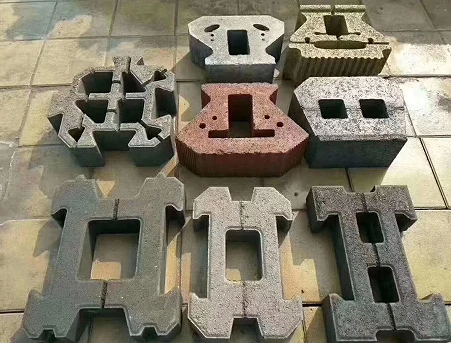
We offer a wide range of cement block moulds, including Concrete Interlocking Block Moulds, Block Moulds For Sale, and Retaining Wall Block Mould. Each type of mould may have unique cleaning requirements.
For concrete interlocking block moulds, the interlocking parts need special attention during cleaning. Make sure to clean the grooves and ridges thoroughly to ensure proper interlocking of the blocks. Block moulds for sale, which may be used for different block sizes and shapes, require a comprehensive cleaning to maintain their quality. Retaining wall block moulds, due to their larger size and more complex design, may need more time and effort for cleaning.

Conclusion
Cleaning a cement block mould is a multi - step process that requires the right tools, materials, and techniques. By following the steps outlined in this blog, you can ensure that your moulds are clean, well - maintained, and ready to produce high - quality cement blocks. As a cement block mould supplier, I'm committed to providing you with the best products and advice. If you have any questions about cleaning your moulds or are interested in purchasing new Block Moulds For Sale, please don't hesitate to contact us for procurement and further discussions.
References
- Construction Materials Handbook: A Guide to Selection and Use.
- Cement Manufacturing and Block Production Best Practices Manual.