

Hey there! As a supplier of Cement Paver Moulds, I often get asked how to ensure the uniformity of pavers made with these moulds. It's a crucial aspect, especially for those looking to create high - quality paving solutions. In this blog, I'll share some tips and tricks based on my experience in the industry.
First off, let's talk about the mould itself. The quality of the Cement Paver Mould is the foundation for making uniform pavers. When you're choosing a mould, make sure it's well - crafted. At our place, we offer a variety of top - notch moulds like the Uni Paver Mould. This mould is designed with precision, which helps in creating pavers with consistent shapes and sizes. A good mould should have smooth surfaces and sharp edges. Any imperfections in the mould can be transferred to the pavers, leading to non - uniform results.
Another important factor is the raw materials. You need to use high - quality cement, aggregates, and water. The ratio of these materials is key. If you use too much water, the pavers might end up being weak and could have inconsistent dimensions as they dry. On the other hand, if there's not enough water, the mixture won't be workable, and it'll be hard to fill the mould properly. A well - proportioned mixture ensures that the pavers have the same density and strength throughout. For example, when using our Concrete Paver Block Mould, we recommend following a specific mix design to get the best results.
The mixing process also plays a huge role. You should use a proper mixer to ensure that all the ingredients are thoroughly combined. A good mixer will break down any clumps and distribute the materials evenly. I've seen cases where people try to mix the materials by hand, and the pavers come out looking all over the place. Using a mechanical mixer saves time and, more importantly, gives you a more consistent mixture. Make sure to mix for the right amount of time. Over - mixing can also cause problems, like the cement losing its binding properties.
When it comes to filling the mould, it has to be done carefully. You need to fill the Concrete Hollow Paver Blocks Moulds evenly. One way to do this is to use a hopper or a chute to direct the mixture into the mould. Tapping the sides of the mould gently can help the mixture settle and remove any air bubbles. If there are air bubbles in the paver, it can create weak spots and affect the uniformity of the final product.
Vibration is another technique that can improve uniformity. Using a vibrating table or a vibrator attached to the mould helps to compact the mixture. This ensures that the paver has a consistent density and that the mixture fills all the corners of the mould. The vibration should be at the right frequency and amplitude. Too much vibration can cause the aggregates to separate from the cement, while too little won't do a good job of compacting the mixture.
After filling the mould, the curing process is crucial. Curing is the process of keeping the pavers moist and at the right temperature so that the cement can harden properly. You can cover the pavers with a plastic sheet or use a curing compound. Proper curing helps the pavers develop their full strength and ensures that they have a uniform appearance. If the pavers are cured unevenly, they might crack or have different colors.
Quality control is an ongoing process. You should regularly inspect the pavers during and after production. Check for any visible defects, like cracks, chips, or uneven surfaces. Measure the dimensions of the pavers to make sure they meet the required standards. If you find any issues, you can adjust the production process accordingly.
Training your staff is also important. Everyone involved in the paver - making process should know the proper techniques. This includes how to mix the materials, fill the moulds, and cure the pavers. A well - trained team is more likely to produce uniform pavers consistently.

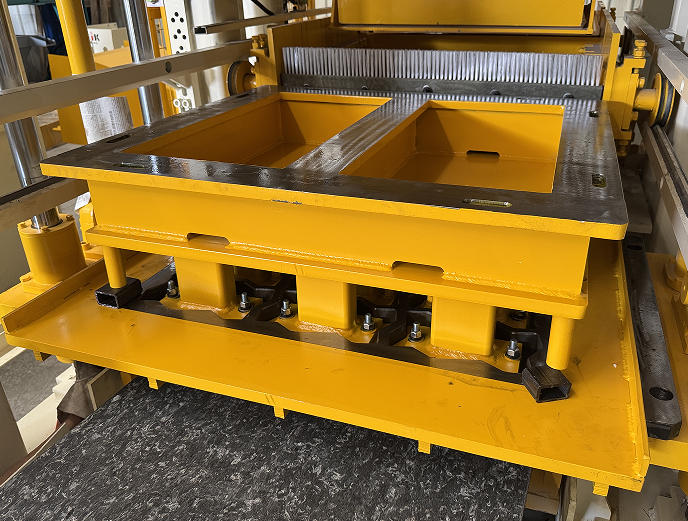
In addition to these technical aspects, it's also important to maintain your moulds properly. Clean the moulds after each use to remove any leftover cement or debris. This helps to keep the moulds in good condition and ensures that they continue to produce uniform pavers. You can use a mild detergent and a soft brush to clean the moulds. Avoid using abrasive materials that could scratch the surface of the mould.
Now, if you're in the market for high - quality Cement Paver Moulds, we've got you covered. Our moulds are designed to help you create uniform and durable pavers. Whether you need the Uni Paver Mould, Concrete Hollow Paver Blocks Moulds, or Concrete Paver Block Mould, we have a wide range of options to suit your needs.
If you're interested in purchasing our moulds or have any questions about paver production, don't hesitate to get in touch. We're here to help you make the best - quality pavers possible. Just reach out, and we can start a conversation about your specific requirements.
References:
- Industry best practices in cement paver production
- Experience gained from years of supplying Cement Paver Moulds