

Hey there! As a supplier of Benton Block Moulds, I've seen firsthand how crucial it is to ensure the accuracy of block dimensions. In this blog, I'm gonna share some tips and tricks that'll help you get those perfect block sizes every time.
First off, let's talk about why accurate block dimensions matter. When blocks are made to the right size, they fit together seamlessly, which is super important for building structures that are stable and look great. Whether you're making blocks for a small DIY project or a large - scale construction job, precision is key.
Choosing the Right Mould
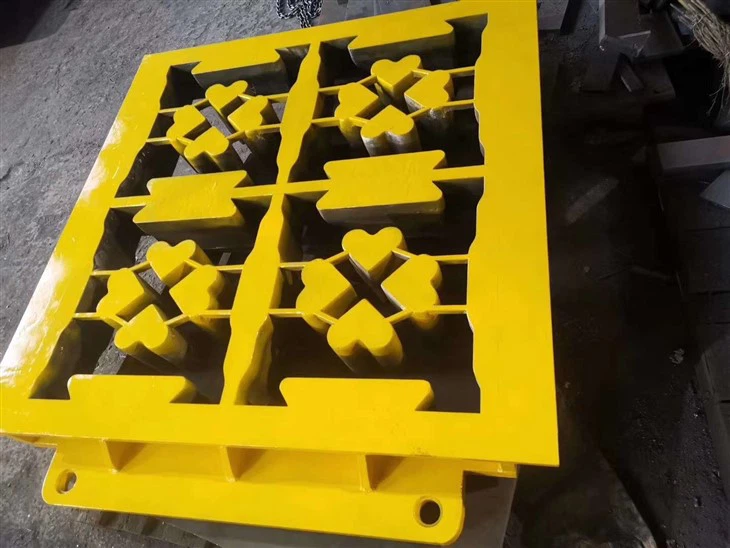
The foundation of getting accurate block dimensions starts with the mould itself. Our Benton Block Moulds are designed with precision in mind. But it's also good to know about other options out there. For instance, the Steel Block Mould for Block Making Machine is a great choice if you're looking for durability and high - precision casting. Steel moulds can withstand a lot of wear and tear, which means they'll keep their shape over time, ensuring consistent block dimensions.
Another option is the Eliana Block Mould. This mould is known for its unique design that allows for easy removal of the blocks after they're formed. A smooth demoulding process is essential because it reduces the chances of the block getting deformed, thus maintaining its accurate dimensions.
Preparing the Mould
Before you start using the Benton Block Mould, it's important to prepare it properly. First, make sure the mould is clean. Any dirt, debris, or leftover concrete from previous uses can affect the block's dimensions. You can use a wire brush or a pressure washer to clean the mould thoroughly.
Next, apply a good quality mould release agent. This helps the block come out of the mould easily without sticking. A well - applied release agent also prevents any damage to the block's surface, which could otherwise lead to inaccurate dimensions. There are different types of release agents available, like oil - based and water - based ones. Choose the one that suits your needs and follow the manufacturer's instructions for application.
Mixing the Concrete
The quality of the concrete mix plays a huge role in the accuracy of block dimensions. You need to use the right proportions of cement, sand, aggregate, and water. If the mix is too dry, the blocks may not fill the mould completely, resulting in smaller - than - expected dimensions. On the other hand, if the mix is too wet, the blocks may slump or deform during the setting process.
It's a good idea to follow a standard concrete mix design. You can also do some trial runs to find the perfect mix for your specific project. Make sure to mix the concrete thoroughly to ensure a uniform consistency throughout. Using a mechanical mixer is usually better than mixing by hand, as it provides a more consistent mix.
Filling the Mould
When filling the Benton Block Mould with concrete, do it in layers. This helps to ensure that the concrete fills all the corners and edges of the mould evenly. Use a trowel or a vibrator to compact the concrete as you fill each layer. Compaction is important because it removes any air bubbles from the concrete, which can cause voids in the block and affect its dimensions.
Don't over - fill the mould. Leave a little bit of space at the top to allow for some settling during the setting process. If you fill the mould too full, the excess concrete may spill out and cause a mess, and it can also lead to uneven block dimensions.
Curing the Blocks
Proper curing is essential for maintaining the accuracy of block dimensions. After the blocks are formed in the mould, they need to be cured in a controlled environment. Curing helps the concrete gain strength and reduces the chances of shrinkage.
You can cure the blocks by covering them with a plastic sheet or by spraying them with water regularly. The curing time depends on the type of concrete mix and the environmental conditions. Generally, blocks should be cured for at least 7 days, but in some cases, it may take up to 28 days for the concrete to reach its full strength.

Quality Control
Once the blocks are cured, it's time to do some quality control checks. Use a measuring tape or a caliper to measure the dimensions of the blocks. Compare the measurements with the specifications of the Benton Block Mould. If you find any blocks that are out of tolerance, you may need to investigate the cause. It could be due to a problem with the mould, the concrete mix, or the curing process.
Regularly inspect the Benton Block Mould for any signs of wear or damage. If the mould is damaged, it can affect the block dimensions. You may need to repair or replace the mould if necessary.
Using the Right Equipment
In addition to the mould, using the right equipment can also help ensure accurate block dimensions. For example, a Retaining Wall Block Mould is designed specifically for making retaining wall blocks. Using the appropriate mould for your project type ensures that the blocks are made to the correct size and shape.
Also, make sure your block - making machine is in good working condition. A malfunctioning machine can cause inconsistent block dimensions. Regularly maintain and service your equipment to keep it running smoothly.
Training and Experience
Last but not least, having well - trained operators is crucial. Operators should be familiar with the Benton Block Mould and the block - making process. They should know how to prepare the mould, mix the concrete, fill the mould, and cure the blocks correctly.
Experience also plays a big role. The more blocks an operator makes, the better they get at identifying and correcting any issues that may arise during the process. Provide training and support to your operators to help them improve their skills.
In conclusion, ensuring the accuracy of block dimensions with Benton Block Moulds requires attention to detail at every step of the process. From choosing the right mould and preparing it properly to mixing the concrete, filling the mould, curing the blocks, and doing quality control checks, every aspect matters.
If you're interested in purchasing our Benton Block Moulds or have any questions about ensuring block dimension accuracy, feel free to reach out. We're here to help you make the best - quality blocks for your projects.
References
- Concrete Construction Handbook, various editions
- Block Mould Manufacturing Industry Reports