

Ensuring the uniform thickness of paver blocks made with a Paver Block Mould is crucial for both aesthetic and functional reasons. As a Paver Block Mould supplier, I've witnessed firsthand the impact that inconsistent block thickness can have on construction projects. In this blog post, I'll share some key strategies and considerations to help you achieve the desired uniformity in your paver block production.
Understanding the Importance of Uniform Thickness
Uniform thickness in paver blocks is essential for several reasons. Firstly, it contributes to the overall visual appeal of the paved surface. When blocks have varying thicknesses, the finished pavement may appear uneven and unprofessional. This can be particularly problematic in high - profile projects where aesthetics are a top priority.
Secondly, uniform thickness is vital for the structural integrity of the paved area. Paver blocks with consistent thickness distribute loads evenly, reducing the risk of cracking and settling over time. This is especially important in areas with heavy traffic or where the pavement will be subjected to significant weight.
Selecting the Right Paver Block Mould
The quality and design of the Paver Block Mould play a significant role in determining the thickness uniformity of the paver blocks. As a supplier, I always emphasize the importance of choosing a high - quality mould.
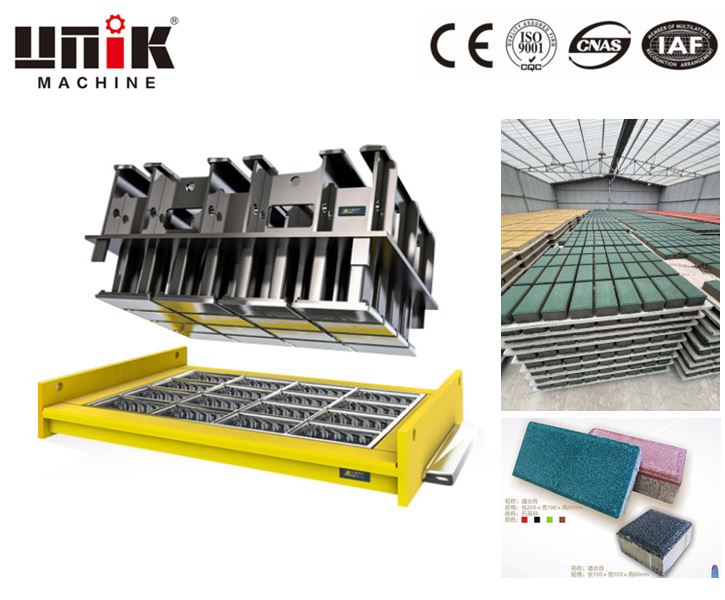

A well - designed Paver Block Mould should have precise dimensions and smooth interior surfaces. The mould should be made from durable materials that can withstand the pressure and wear associated with the block - making process. For example, steel moulds are often preferred for their strength and longevity. They can maintain their shape and dimensions over multiple production cycles, ensuring consistent block thickness.
When selecting a mould, consider the specific requirements of your project. Different projects may call for different block sizes and shapes. For instance, if you're working on a residential driveway, you might opt for a Brick Paver Mould that produces traditional - looking bricks. On the other hand, a commercial plaza project may require a Concrete Paving Stone Mould for larger, more modern - looking stones.
Preparing the Concrete Mix
The concrete mix used to make the paver blocks is another critical factor in achieving uniform thickness. A well - proportioned and properly mixed concrete will flow evenly into the mould, resulting in blocks of consistent thickness.
Start by using high - quality raw materials. The cement should be fresh and of the appropriate grade for the project. Aggregates, such as sand and gravel, should be clean and have a consistent particle size distribution. The water - cement ratio is also crucial. Too much water can cause the concrete to be too runny, leading to uneven filling of the mould and inconsistent block thickness. Conversely, too little water can make the concrete difficult to work with and may result in incomplete filling of the mould.
Use a reliable concrete mixer to ensure thorough mixing of the ingredients. The mixer should be large enough to handle the volume of concrete required for your production but not so large that it becomes difficult to achieve a uniform mix. Mix the concrete for an appropriate amount of time, typically around 3 - 5 minutes, to ensure that all the ingredients are evenly distributed.
Filling the Mould Correctly
Properly filling the Paver Block Mould is essential for uniform thickness. There are several techniques that can be employed to ensure an even distribution of concrete in the mould.
One common method is to use a hopper or a chute to pour the concrete into the mould. This helps to control the flow of concrete and ensures that it is evenly distributed across the mould. When pouring the concrete, start from one end of the mould and work your way to the other, making sure to fill all the corners and edges.
Another technique is to use a vibrating table. Place the filled mould on the vibrating table and turn it on. The vibrations help to settle the concrete and remove any air bubbles, ensuring a more compact and uniform block. However, be careful not to over - vibrate the concrete, as this can cause segregation of the aggregates and lead to inconsistent block quality.
Compaction Process
Compaction is a crucial step in the paver block production process. It helps to reduce the porosity of the blocks and ensures that they have the required strength and density. Proper compaction also contributes to uniform thickness.
There are different types of compaction methods available, such as hydraulic compaction and mechanical compaction. Hydraulic compaction uses a hydraulic press to apply a high amount of pressure to the filled mould, compressing the concrete and reducing its volume. Mechanical compaction, on the other hand, uses a mechanical device, such as a tamper or a roller, to compact the concrete.
Regardless of the compaction method used, it's important to apply the pressure evenly across the entire surface of the mould. This can be achieved by using a flat and smooth compaction plate or roller. Make sure to follow the recommended compaction pressure and duration for the specific type of concrete and mould you're using.
Quality Control Measures
Implementing quality control measures throughout the production process is essential to ensure uniform thickness of the paver blocks. Regularly inspect the blocks during production to check for any signs of inconsistent thickness.
Use a caliper or a thickness gauge to measure the thickness of the blocks at multiple points. Take measurements at the corners, edges, and center of each block. If you notice any significant variations in thickness, investigate the cause immediately. It could be due to a problem with the mould, the concrete mix, the filling process, or the compaction.
Keep detailed records of the thickness measurements and any other quality - related data. This will help you identify trends and make adjustments to the production process as needed. For example, if you notice that the blocks are consistently thicker at one end of the mould, you may need to adjust the pouring or compaction process.
Maintenance of the Paver Block Mould
Proper maintenance of the Paver Block Mould is essential for ensuring consistent block thickness over time. Regularly clean the mould after each use to remove any residual concrete or debris. This helps to prevent the build - up of material that could affect the dimensions of the mould.
Inspect the mould for any signs of wear or damage, such as cracks, dents, or warping. If you notice any issues, repair or replace the mould as soon as possible. A damaged mould can lead to inconsistent block thickness and other quality problems.
Lubricate the mould before each use to ensure smooth release of the paver blocks. Use a suitable mould release agent that is compatible with the type of concrete and the material of the mould. This not only helps with block release but also protects the mould from corrosion and wear.
Conclusion
Achieving uniform thickness of paver blocks made with a Paver Block Mould requires attention to detail at every stage of the production process. From selecting the right mould and preparing the concrete mix to filling, compaction, and quality control, each step plays a crucial role.
As a Paver Block Mould supplier, I'm committed to providing high - quality moulds and supporting my customers in their paver block production. If you're looking for reliable Paver Block Moulds or need advice on achieving uniform block thickness, I encourage you to reach out for a procurement discussion. We can work together to ensure that your paver block production meets the highest standards of quality and consistency.
References
- "Concrete Paver Block Manufacturing Technology" by various authors in the field of construction materials.
- Industry standards and guidelines for paver block production published by relevant construction associations.