

Hey there! I'm a supplier of Curb Stone Moulds, and I'm here to share some tips on how to maintain these moulds. Whether you're a contractor, a DIY enthusiast, or someone in the construction business, proper maintenance of your curb stone moulds can save you a lot of time and money in the long run.
Why Maintenance Matters
First off, let's talk about why maintaining your curb stone moulds is so important. These moulds are an investment, and taking good care of them ensures they last longer. A well - maintained mould will produce high - quality curb stones with sharp edges and smooth surfaces every time. On the other hand, a poorly maintained mould can lead to defects in the finished product, such as cracks, uneven surfaces, or rough edges.
Cleaning the Moulds
Cleaning is the most basic yet crucial part of mould maintenance. After each use, you should clean the mould as soon as possible. The longer you wait, the harder it will be to remove the concrete residue.
Step 1: Remove Loose Debris
Use a brush to remove any loose concrete or dirt from the mould. A stiff - bristled brush works great for this. Make sure to get into all the corners and crevices of the Kerb Stone Mould.
Step 2: Wash with Water
Rinse the mould thoroughly with water. You can use a hose or a pressure washer for this, but be careful not to use too much pressure as it might damage the mould. If there are still some stubborn concrete bits, you can use a mild detergent. Mix the detergent with water according to the instructions on the label and use a sponge or a soft brush to scrub the mould.
Step 3: Dry the Mould
After washing, dry the mould completely. You can let it air - dry in a well - ventilated area or use a clean cloth to wipe it down. Moisture left in the mould can cause rust (especially for Kerb Stone Steel Mould) or promote the growth of mould and mildew.
Inspecting the Moulds
Regular inspections are essential to catch any potential problems early. You should inspect your moulds before and after each use.
Visual Inspection
Look for any signs of damage, such as cracks, dents, or scratches. Even a small crack can grow over time and affect the quality of the curb stones. If you notice any damage, mark it clearly so you can decide whether to repair or replace the mould.
Check the Dimensions
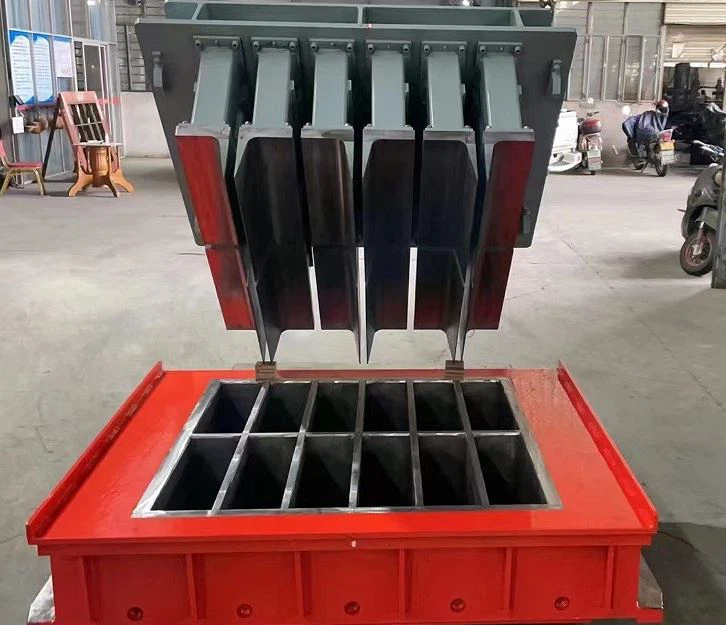
Measure the key dimensions of the mould to make sure they are still within the acceptable range. Over time, moulds can warp or deform, which will result in curb stones that don't fit properly.

Lubrication
Lubricating your moulds is another important step in maintenance. Lubrication helps in two ways: it makes it easier to remove the cured concrete from the mould, and it protects the mould from wear and tear.
Choose the Right Lubricant
There are many types of lubricants available in the market. For plastic moulds, a silicone - based lubricant is a good choice. It's non - toxic and won't damage the plastic. For steel moulds, you can use a light machine oil or a specialised mould release agent.
Apply the Lubricant
Apply the lubricant evenly on the inner surface of the mould. You can use a brush or a sprayer to do this. Make sure to cover all the areas, especially the corners and edges. Don't apply too much lubricant, as it can cause the concrete to have a greasy surface.
Storage
Proper storage of your curb stone moulds can significantly extend their lifespan.
Clean and Dry Before Storage
As mentioned earlier, make sure the moulds are clean and dry before storing them. Any moisture left in the mould can lead to rust or other problems during storage.
Store in a Dry Place
Find a dry, cool place to store your moulds. Avoid storing them in areas where they might be exposed to rain, snow, or high humidity. If possible, store them indoors.
Stack Them Properly
If you need to stack the moulds, stack them in a stable and even way. Don't stack them too high, as the weight on the bottom moulds can cause them to deform. You can also use spacers between the moulds to prevent scratching.
Repairing Minor Damage
If you notice minor damage to your mould, such as a small scratch or a dent, you can often repair it yourself.
For Plastic Moulds
For small scratches on plastic moulds, you can use a plastic repair kit. These kits usually come with a filler and a bonding agent. Follow the instructions on the kit to fill the scratch and smooth the surface.
For Steel Moulds
If there is a small rust spot on a steel mould, you can use a wire brush to remove the rust. Then, apply a rust - resistant primer and a fresh coat of paint to protect the steel from further corrosion.
Professional Maintenance
For major damage or if you're not sure how to handle a particular problem, it's a good idea to seek professional help. A professional can assess the damage accurately and recommend the best course of action, whether it's repair or replacement.
Conclusion
Maintaining your curb stone moulds is not rocket science, but it does require some time and effort. By following these simple steps of cleaning, inspecting, lubricating, storing, and repairing, you can keep your Concrete Curb Mould in top - notch condition and produce high - quality curb stones for years to come.
If you're in the market for new curb stone moulds or have any questions about maintenance, feel free to reach out. We're here to help you get the most out of your moulds and ensure your construction projects are a success. Let's start a conversation and see how we can work together!
References
- Construction Materials Handbook: This handbook provides general information on the properties and maintenance of construction - related materials, including moulds.
- Mould Manufacturer's Guides: The guides provided by mould manufacturers often contain specific maintenance instructions for their products.