

Accurately measuring the dimensions of a curb stone mould is a crucial step in the production and quality control of curb stones. As a supplier of Curb Stone Mould, I understand the significance of precise measurements in ensuring the proper fit, functionality, and aesthetic appeal of the final products. In this blog post, I will share some practical methods and tips on how to measure the dimensions of a curb stone mould accurately.
Importance of Accurate Measurements
Before delving into the measurement techniques, it's essential to understand why accurate measurements are so important. Firstly, precise dimensions ensure that the curb stones produced using the mould will fit together seamlessly during installation. This is particularly important for creating a smooth and continuous edge along roads, sidewalks, and driveways. Secondly, accurate measurements help maintain consistency in the size and shape of the curb stones, which is crucial for achieving a professional and uniform appearance. Finally, proper measurements are necessary to meet the specific requirements and standards of construction projects, ensuring compliance with local building codes and regulations.
Tools Required for Measuring
To measure the dimensions of a curb stone mould accurately, you will need a few essential tools. These include:
- Tape Measure: A flexible tape measure is ideal for measuring the length, width, and height of the mould. Make sure to choose a tape measure with clear markings and a sufficient length to accommodate the size of the mould.
- Vernier Caliper: A vernier caliper is a precision measuring tool that can be used to measure the thickness, diameter, and other small dimensions of the mould with high accuracy. It consists of a main scale and a sliding vernier scale, which allows for precise readings up to a few thousandths of an inch or millimeter.
- Square: A square is a tool used to check the squareness and alignment of the mould. It can be used to ensure that the corners of the mould are at right angles and that the sides are parallel to each other.
- Level: A level is used to check the flatness and horizontality of the mould. It can be used to ensure that the top surface of the mould is level and that the sides are vertical.
Measuring the Length, Width, and Height
The first step in measuring the dimensions of a curb stone mould is to determine its length, width, and height. To do this, follow these steps:

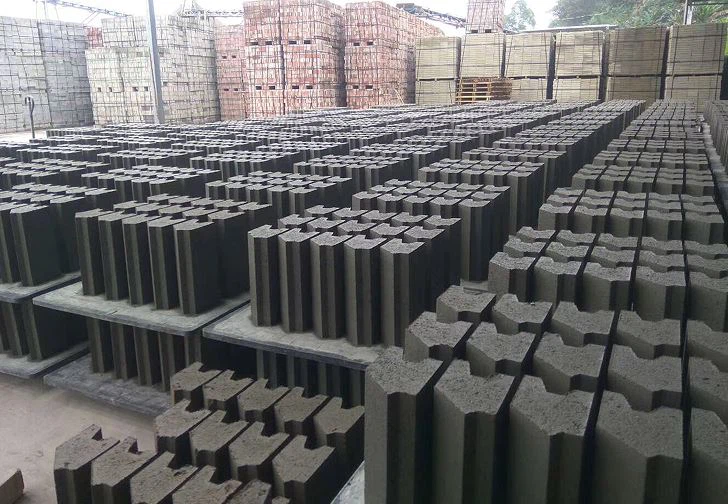
- Place the Mould on a Flat Surface: Make sure the mould is placed on a flat and stable surface to ensure accurate measurements.
- Measure the Length: Use a tape measure to measure the longest side of the mould from one end to the other. Make sure to measure along the centerline of the mould to get an accurate measurement.
- Measure the Width: Use a tape measure to measure the shortest side of the mould from one end to the other. Again, measure along the centerline of the mould to get an accurate measurement.
- Measure the Height: Use a tape measure to measure the vertical distance from the bottom of the mould to the top. Make sure to measure at the highest point of the mould to get an accurate measurement.
Measuring the Thickness and Wall Thickness
In addition to the length, width, and height, it's also important to measure the thickness and wall thickness of the mould. To do this, follow these steps:
- Use a Vernier Caliper: Use a vernier caliper to measure the thickness of the mould at various points. Make sure to measure the thickness at the edges, corners, and center of the mould to ensure consistency.
- Measure the Wall Thickness: Use a vernier caliper to measure the wall thickness of the mould at various points. Make sure to measure the wall thickness at the top, bottom, and sides of the mould to ensure consistency.
Measuring the Angle and Radius
Some curb stone moulds may have angled or curved surfaces, which require special measurement techniques. To measure the angle and radius of the mould, follow these steps:
- Use a Protractor: Use a protractor to measure the angle of the mould at various points. Make sure to measure the angle at the edges, corners, and center of the mould to ensure consistency.
- Use a Radius Gauge: Use a radius gauge to measure the radius of the mould at various points. Make sure to measure the radius at the edges, corners, and center of the mould to ensure consistency.
Tips for Accurate Measurements
To ensure accurate measurements, it's important to follow these tips:
- Take Multiple Measurements: To ensure accuracy, take multiple measurements at different points on the mould and average the results.
- Use the Right Tools: Make sure to use the right tools for the job. Using the wrong tools can result in inaccurate measurements.
- Measure in a Well-Lit Area: Make sure to measure the mould in a well-lit area to ensure clear visibility of the markings on the measuring tools.
- Check for Wear and Tear: Before measuring the mould, check for any signs of wear and tear, such as cracks, dents, or scratches. These can affect the accuracy of the measurements.
- Follow the Manufacturer's Instructions: If the mould comes with specific measurement instructions, make sure to follow them carefully.
Conclusion
Accurately measuring the dimensions of a curb stone mould is essential for ensuring the quality and functionality of the final products. By using the right tools and following the proper measurement techniques, you can ensure that the mould meets the specific requirements and standards of your construction project. As a supplier of Curb Stone Mould, I am committed to providing high-quality moulds that are accurately measured and manufactured to meet the needs of our customers. If you have any questions or need further assistance with measuring the dimensions of a curb stone mould, please feel free to contact us. We would be happy to help you with your project.
References
- ASTM International. (2021). Standard Specification for Precast Concrete Kerbs and Gutters. ASTM C443/C443M-21.
- British Standards Institution. (2015). Specification for precast concrete products - Kerbs, channels and ancillary units. BS EN 1340:2015.
- Concrete Society. (2018). Design and installation of precast concrete kerbs and channels. Technical Report 67.