

Hey there! I'm a supplier of Paving Slab Moulds, and I've seen firsthand how important it is to optimize the use of these moulds to save concrete. Not only does it cut down on costs, but it's also better for the environment. In this blog, I'll share some tips and tricks on how you can make the most out of your paving slab moulds and reduce your concrete consumption.
Choose the Right Mould Design
The first step in optimizing concrete use is to select the right mould design. There are various types of Concrete Paving Slab Moulds available in the market, each with its own unique shape and size. Some moulds are designed to create thick slabs, while others are for thinner ones. If you choose a mould that's too thick for your needs, you'll end up using more concrete than necessary.
For example, if you're working on a project where the slabs don't need to bear heavy loads, opt for a thinner slab design. This way, you can use less concrete while still achieving the desired look and functionality. Also, consider the shape of the mould. Some shapes, like hexagonal or interlocking designs, can be more efficient in terms of concrete use compared to traditional rectangular shapes. They allow for better distribution of the concrete and can reduce waste.
Prepare the Mould Properly
Proper preparation of the mould is crucial for saving concrete. Before pouring the concrete, make sure the mould is clean and free of any debris or old concrete residue. A dirty mould can cause the concrete to stick, which may lead to uneven surfaces and the need for additional concrete to fix the problem.
You can use a mild detergent and water to clean the mould, and then dry it thoroughly. Applying a release agent is also a good idea. A release agent creates a barrier between the concrete and the mould, making it easier to remove the slab once it's cured. This not only saves time but also reduces the chances of damaging the slab or the mould, which could result in wasted concrete.
Mix the Concrete Correctly
The way you mix the concrete can have a significant impact on how much you need to use. Make sure to follow the manufacturer's instructions for the correct water-to-cement ratio. Adding too much water can weaken the concrete and increase the volume, meaning you'll need more of it to fill the mould. On the other hand, too little water can make the concrete difficult to work with and may result in a poor-quality slab.
Use a high - quality concrete mixer to ensure a uniform mix. A well - mixed concrete will have better workability and will flow more easily into the mould, reducing the need for excessive tamping or additional concrete to fill in gaps. You can also consider adding additives to the concrete mix. Some additives can improve the strength and workability of the concrete, allowing you to use less of it while still achieving the desired results.
Fill the Mould Efficiently
When filling the mould with concrete, it's important to do it in an efficient manner. Start by pouring the concrete into the centre of the mould and then spread it out evenly. Use a trowel or a vibrating tool to help the concrete settle and fill all the corners and edges of the mould. Avoid over - filling the mould, as this will result in wasted concrete.
If you're using a large mould, you may want to fill it in layers. This can help prevent air pockets from forming and ensure that the concrete is properly distributed. After each layer, use a vibrating tool to remove any air bubbles. This will make the slab stronger and more durable, and you'll need less concrete overall.
Compact the Concrete Properly
Compaction is an important step in the process of making paving slabs. Proper compaction ensures that the concrete fills all the voids in the mould and creates a dense, strong slab. Use a vibrating table or a hand - held vibrator to compact the concrete. This will help remove any air bubbles and make the concrete settle evenly.
However, be careful not to over - vibrate the concrete. Over - vibration can cause the aggregate to settle at the bottom of the mould, leaving a layer of cement paste on the top. This can weaken the slab and may require additional concrete to correct the problem. Aim for just the right amount of vibration to achieve a well - compacted slab.
Cure the Slabs Correctly
Curing is the process of allowing the concrete to harden and gain strength. Proper curing is essential for the durability of the slabs and can also help save concrete. If the slabs are not cured correctly, they may develop cracks or other defects, which could require additional concrete to repair.
Keep the slabs moist during the curing process. You can cover them with a plastic sheet or spray them with water regularly. The curing time will depend on the type of concrete and the environmental conditions. Generally, it's recommended to cure the slabs for at least 7 days. By curing the slabs correctly, you can ensure that they reach their maximum strength with the least amount of concrete.
Reuse and Recycle
Another way to save concrete is to reuse and recycle. If you have any leftover concrete from a previous project, you can use it to make smaller slabs or to fill in small gaps in the moulds. You can also recycle old or damaged slabs. Crush the slabs into small pieces and use them as aggregate in new concrete mixes.
This not only reduces the amount of concrete you need to purchase but also helps to minimize waste. Recycling concrete is an environmentally friendly option that can save you money in the long run.
Consider Using Lightweight Aggregates
Lightweight aggregates are a great alternative to traditional aggregates in concrete mixes. They are lighter in weight, which means you can use less concrete overall. Some common lightweight aggregates include expanded shale, clay, or slate.
These aggregates can reduce the density of the concrete without sacrificing its strength. They also have good insulation properties, which can be beneficial in certain applications. By using lightweight aggregates, you can make your paving slabs more cost - effective and environmentally friendly.
Train Your Workers
If you have a team of workers involved in the paving slab production process, make sure they are trained on how to optimize concrete use. Teach them the proper techniques for mixing, pouring, and compacting the concrete. A well - trained workforce can make a big difference in terms of reducing waste and saving concrete.
Provide them with clear instructions and guidelines, and encourage them to ask questions if they're unsure about anything. You can also offer incentives for workers who come up with innovative ways to save concrete. This will not only improve efficiency but also boost morale.
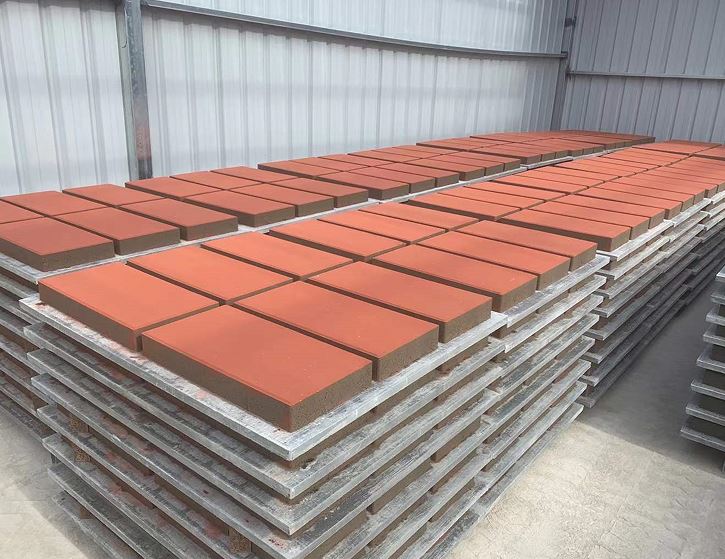

In conclusion, optimizing the use of paving slab moulds to save concrete is a combination of choosing the right mould design, proper preparation, efficient mixing and pouring, and correct curing. By following these tips, you can reduce your concrete consumption, save money, and contribute to a more sustainable environment.
If you're interested in purchasing high - quality Paving Slab Moulds for Sale, or if you have any questions about how to optimize your concrete use with our Concrete Slab Mould, feel free to reach out. We're here to help you get the most out of your paving slab projects.
References
- Concrete Technology: Principles, Properties, and Materials by Mindess, Young, and Darwin
- Paving and Hard Landscaping by David Hilling
- The Complete Guide to Concrete Work by Black & Decker