

As a supplier of precast steel moulds, I've witnessed firsthand the challenges that come with maintaining the integrity of these essential tools. Deformation of precast steel moulds can lead to significant issues in the precast concrete production process, affecting the quality of the final products and increasing costs. In this blog post, I'll share some effective strategies on how to prevent deformation of precast steel moulds based on my industry experience.
Understanding the Causes of Deformation
Before we delve into prevention methods, it's crucial to understand what causes precast steel moulds to deform. There are several factors at play, including improper handling, excessive stress during the casting process, and environmental conditions.
Improper handling is one of the most common causes of deformation. When moulds are not lifted, transported, or stored correctly, they can be subjected to uneven forces that cause them to bend or warp. For example, using incorrect lifting equipment or placing moulds on uneven surfaces can lead to structural damage.
Excessive stress during the casting process can also cause deformation. This can occur when the concrete is poured too quickly, creating high pressures within the mould. Additionally, if the curing process is not properly managed, the expansion and contraction of the concrete can put additional stress on the mould, leading to deformation over time.
Environmental conditions, such as temperature and humidity, can also have an impact on the integrity of precast steel moulds. Extreme temperatures can cause the steel to expand or contract, while high humidity levels can lead to corrosion, weakening the structure of the mould.
Preventive Measures
Proper Handling and Storage
Proper handling and storage are essential for preventing deformation of precast steel moulds. When lifting moulds, it's important to use the correct lifting equipment and follow the manufacturer's guidelines. This may include using lifting points specifically designed for the mould and ensuring that the load is evenly distributed.
During transportation, moulds should be secured to prevent movement and damage. Using shock-absorbing materials and proper restraints can help protect the moulds from vibrations and impacts.
When storing moulds, they should be placed on a flat, stable surface. If possible, store the moulds in a climate-controlled environment to minimize the effects of temperature and humidity. Additionally, it's important to stack the moulds correctly to prevent excessive stress on the lower moulds.
Design and Manufacturing Considerations
The design and manufacturing of precast steel moulds play a crucial role in preventing deformation. When designing a mould, it's important to consider the specific requirements of the precast concrete product and the casting process. This may include factors such as the shape and size of the product, the type of concrete to be used, and the curing method.
Using high-quality steel and proper manufacturing techniques can also help improve the durability and resistance to deformation of the moulds. For example, heat treatment and surface finishing can enhance the strength and corrosion resistance of the steel.
Monitoring and Maintenance
Regular monitoring and maintenance are essential for detecting and preventing deformation of precast steel moulds. This may include visual inspections to check for signs of damage or wear, as well as measuring the dimensions of the mould to ensure that it is still within the acceptable tolerance range.
If any issues are detected during the inspection, they should be addressed immediately. This may involve repairing or replacing damaged parts of the mould, or adjusting the casting process to reduce stress on the mould.
Training and Education
Providing training and education to employees involved in the handling, casting, and maintenance of precast steel moulds is crucial for preventing deformation. Employees should be trained on the proper handling techniques, the importance of following the casting process guidelines, and the signs of deformation to look out for.

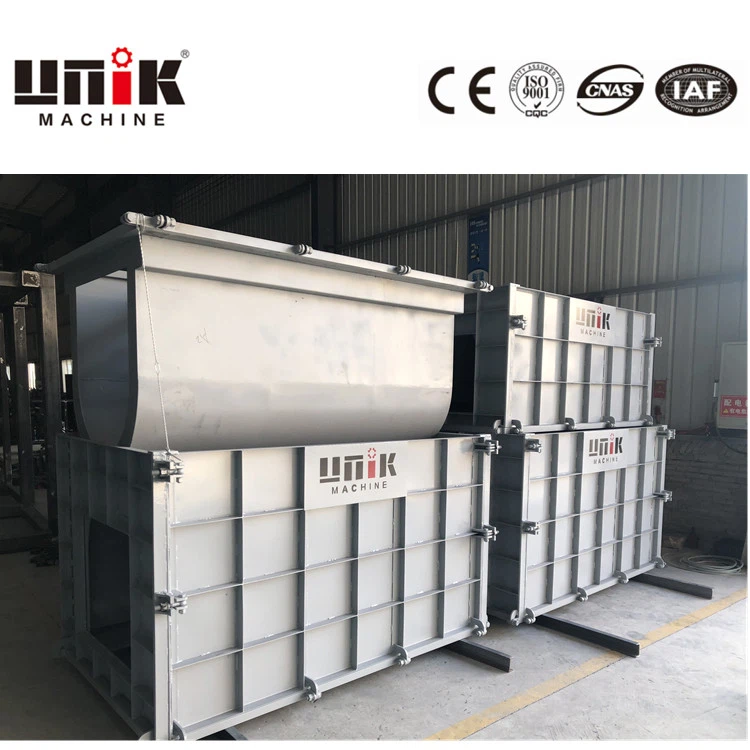
By ensuring that employees have the necessary knowledge and skills, you can reduce the risk of deformation caused by human error and improve the overall quality of the precast concrete production process.
Conclusion
Preventing deformation of precast steel moulds is essential for ensuring the quality and efficiency of the precast concrete production process. By understanding the causes of deformation and implementing the preventive measures outlined in this blog post, you can extend the lifespan of your moulds and reduce the costs associated with mould replacement and repair.
If you're in the market for high-quality Precast Box Culvert Moulds, Precast Concrete Moulds, or Steel Moulds for Precast Concrete, I encourage you to reach out to us. We're committed to providing our customers with the best products and services, and we'd be happy to discuss your specific needs and requirements.
References
- "Precast Concrete Design Manual" by the Precast/Prestressed Concrete Institute
- "Steel Design Handbook" by the American Institute of Steel Construction
- Industry best practices and guidelines from leading precast steel mould manufacturers