

As a supplier of U Drain Precast Moulds, I've had numerous conversations with clients about the various aspects of these essential tools in the precast concrete industry. One question that often comes up is, "What is the abrasion resistance of a U Drain Precast Mould?" This is a crucial consideration as it directly impacts the longevity and performance of the moulds.
Understanding Abrasion in Precast Moulds
Abrasion refers to the process of wearing away a material's surface due to friction. In the context of U Drain Precast Moulds, abrasion occurs when the wet concrete mixture is poured into the mould, compacted, and then removed after setting. The movement of the concrete, along with any aggregates it contains, can cause significant wear on the mould's surface over time.
The level of abrasion a mould experiences depends on several factors. The type of concrete being used is a primary factor. Concrete with a high aggregate content or large, sharp - edged aggregates will cause more abrasion compared to a finer - grained concrete mix. The frequency of use also plays a role. Moulds that are used multiple times a day will wear out faster than those used less frequently. Additionally, the compaction method can influence abrasion. High - energy compaction techniques, while effective for producing high - quality precast elements, can also increase the wear on the mould surface.
Importance of Abrasion Resistance
Abrasion resistance is vital for U Drain Precast Moulds for several reasons. Firstly, it ensures the dimensional accuracy of the precast U - drains. As the mould surface wears, it can lead to changes in the shape and size of the U - drain, resulting in products that do not meet the required specifications. This can lead to installation problems and a decrease in the overall quality of the drainage system.
Secondly, good abrasion resistance extends the lifespan of the mould. Moulds are a significant investment for precast concrete manufacturers. By choosing moulds with high abrasion resistance, manufacturers can reduce the frequency of mould replacement, which in turn lowers production costs.
Finally, abrasion - resistant moulds contribute to the smooth finish of the precast U - drains. A worn - out mould surface can cause surface imperfections on the U - drain, such as rough patches or pitting. These imperfections not only affect the aesthetic appearance of the product but can also impact its functionality, for example, by reducing the flow capacity of the drain.
Factors Affecting Abrasion Resistance of U Drain Precast Moulds
Material Selection
The material used to manufacture the U Drain Precast Mould is the most significant factor affecting its abrasion resistance. Precast Steel Moulds are known for their excellent abrasion resistance. Steel is a hard and durable material that can withstand the high - pressure and friction associated with the precast concrete process. Different types of steel, such as stainless steel or high - carbon steel, offer varying degrees of abrasion resistance. Stainless steel, for example, is not only resistant to abrasion but also to corrosion, making it suitable for use in harsh environments.
On the other hand, Precast Concrete Moulds may have lower abrasion resistance compared to steel moulds. Concrete is a porous material, and its surface can be more easily worn away by the concrete mixture. However, with proper treatment and reinforcement, the abrasion resistance of concrete moulds can be improved.
Surface Treatment
Surface treatment is another important factor. Applying a hard - wearing coating to the mould surface can significantly enhance its abrasion resistance. Coatings such as epoxy or polyurethane can create a protective layer that reduces the direct contact between the concrete and the mould surface. These coatings also make it easier to clean the mould after each use, further extending its lifespan.
Heat treatment can also be used to improve the hardness and abrasion resistance of steel moulds. Processes like quenching and tempering can alter the microstructure of the steel, making it more resistant to wear.
Design Considerations
The design of the U Drain Precast Mould can also affect its abrasion resistance. A well - designed mould should have smooth internal surfaces to minimize friction during the concrete pouring and removal process. Sharp corners and edges should be avoided as they can cause stress concentrations and increase the likelihood of abrasion. Additionally, the design should allow for easy and efficient compaction of the concrete, reducing the need for excessive force that could lead to increased wear.
Testing Abrasion Resistance
There are several methods to test the abrasion resistance of U Drain Precast Moulds. One common method is the Taber Abraser test. In this test, a rotating abrasive wheel is applied to the mould surface under a specified load for a set number of revolutions. The amount of material removed is then measured, and the abrasion resistance is calculated based on this measurement.
Another method is the sand - blasting test. In this test, a stream of sand is directed at the mould surface at a high velocity. The sand acts as an abrasive, and the damage to the surface is evaluated to determine the abrasion resistance.
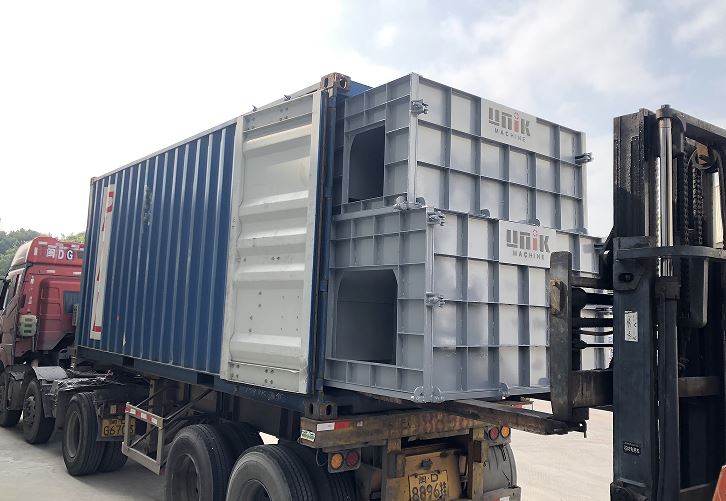

Our Offerings as a U Drain Precast Mould Supplier
As a supplier, we understand the importance of abrasion resistance in U Drain Precast Moulds. We offer a range of Precast Steel Moulds that are specifically designed to provide high abrasion resistance. Our steel moulds are made from high - quality steel and undergo advanced heat treatment processes to enhance their hardness and durability.
We also offer custom - made moulds to meet the specific requirements of our clients. Whether you need a mould for a standard U - drain or a unique design, our team of experts can work with you to create a solution that offers optimal abrasion resistance.
In addition to our steel moulds, we also provide Precast Concrete Moulds with improved abrasion resistance through innovative surface treatments. Our concrete moulds are reinforced and coated to ensure they can withstand the rigors of the precast concrete process.
Conclusion
The abrasion resistance of U Drain Precast Moulds is a critical factor that affects the quality, lifespan, and cost - effectiveness of the precast concrete production process. By understanding the factors that influence abrasion resistance, such as material selection, surface treatment, and design, precast concrete manufacturers can make informed decisions when choosing moulds.
As a leading supplier of U Drain Precast Moulds, we are committed to providing our clients with high - quality moulds that offer excellent abrasion resistance. If you are in the market for U Drain Precast Moulds or have any questions about abrasion resistance, we encourage you to contact us for a detailed discussion. Our team of experts is ready to assist you in finding the best solution for your precast concrete production needs.
References
- ASTM International. (20XX). Standard test methods for abrasion resistance of organic coatings by the Taber Abraser.
- Concrete Society. (20XX). Guide to the production of precast concrete products.
- Steel Construction Institute. (20XX). Design and manufacture of precast concrete moulds.