

What is the electrical conductivity of a Paver Block Mould (if relevant)?
As a seasoned supplier of paver block moulds, I've encountered numerous inquiries from clients about various aspects of these products. One question that has recently piqued interest is the electrical conductivity of paver block moulds. In this blog post, I'll delve into this topic, exploring the factors that influence conductivity, its relevance in the context of paver block moulds, and how it might impact your projects.
Understanding Electrical Conductivity
Before we dive into the specifics of paver block moulds, let's briefly review what electrical conductivity is. Electrical conductivity is a measure of a material's ability to conduct an electric current. It is the reciprocal of electrical resistivity and is typically measured in siemens per meter (S/m). Materials with high conductivity, such as metals, allow electric charges to flow freely, while insulators, like rubber or plastic, have very low conductivity and impede the flow of current.
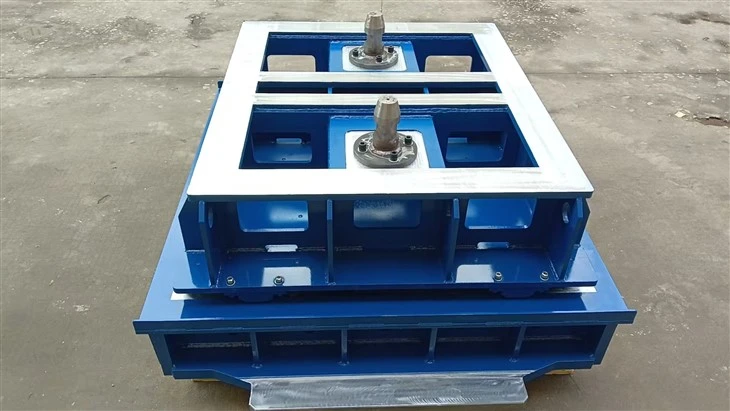

Materials Used in Paver Block Moulds
Paver block moulds are commonly made from a variety of materials, each with its own unique properties, including electrical conductivity. The most prevalent materials used in the manufacturing of paver block moulds are:
- Steel: Steel is a widely used material for paver block moulds due to its high strength, durability, and resistance to wear and tear. It is also a good conductor of electricity, with a conductivity ranging from approximately 10^6 to 10^7 S/m, depending on the type of steel and its composition.
- Plastic: Plastic moulds are lightweight, cost - effective, and easy to handle. They are typically made from polymers such as polyethylene or polypropylene, which are insulators with extremely low electrical conductivity, on the order of 10^ - 15 to 10^ - 10 S/m.
- Aluminum: Aluminum is another material used in paver block moulds. It is lightweight, corrosion - resistant, and has a relatively high electrical conductivity, around 3.5×10^7 S/m.
Relevance of Electrical Conductivity in Paver Block Moulds
In most cases, the electrical conductivity of a paver block mould is not a critical factor in its performance. Paver block moulds are primarily used for shaping and casting concrete or other paving materials, and their main functions are related to mechanical properties such as strength, dimensional accuracy, and release characteristics.
However, there are some scenarios where electrical conductivity might be relevant:
- Electrostatic Discharge (ESD) Considerations: In industrial settings where there is a risk of electrostatic discharge, conductive moulds can help dissipate static charges. This is important in environments where sensitive electronic components are nearby or where flammable substances are present. For example, if the paver block manufacturing process involves the use of automated equipment with electronic controls, a conductive mould can prevent electrostatic damage to the equipment.
- Electromagnetic Interference (EMI) Shielding: In some cases, conductive paver block moulds can be used to provide electromagnetic shielding. This is useful in applications where electromagnetic interference needs to be minimized, such as in areas near radio transmitters or other sources of electromagnetic radiation.
Impact on Paver Block Quality
The electrical conductivity of the mould itself does not directly impact the quality of the paver blocks produced. The quality of the paver blocks is mainly determined by factors such as the quality of the raw materials (cement, aggregates, etc.), the mixing ratio, the compaction process, and the curing conditions.
However, if the electrical conductivity of the mould is used in a way to control the manufacturing process, such as in an electrostatic spraying system for applying release agents, it could potentially have an indirect impact on the surface finish and release characteristics of the paver blocks.
Choosing the Right Paver Block Mould
When selecting a paver block mould, electrical conductivity should be considered in the context of your specific application. If you are working in an environment where ESD or EMI is a concern, you may want to choose a conductive mould made from steel or aluminum. On the other hand, if cost, weight, and ease of handling are your primary concerns, a plastic mould may be a better choice, despite its low conductivity.
As a supplier, we offer a wide range of paver block moulds to meet different needs. You can explore our Cement Paver Mould, Cement Hollow Block Mould, and Mould for Paver Block options on our website.
Conclusion
In conclusion, while the electrical conductivity of a paver block mould is not a primary consideration in most cases, it can play a role in specific industrial applications. Understanding the conductivity of different materials used in paver block moulds can help you make an informed decision when choosing the right mould for your project.
If you have any questions or need further assistance in selecting the appropriate paver block mould, please feel free to contact us. We are here to help you find the best solution for your paving needs. Whether you are a small - scale contractor or a large - scale construction company, we have the expertise and products to meet your requirements. Reach out to us to start a discussion about your project and explore how our paver block moulds can contribute to its success.
References
- Callister, W. D., & Rethwisch, D. G. (2018). Materials Science and Engineering: An Introduction. Wiley.
- Ashby, M. F. (2011). Materials Selection in Mechanical Design. Butterworth - Heinemann.