

As a supplier of Road Curb Moulds, I often get asked about the fire resistance of these essential tools in the construction industry. Fire resistance is a crucial factor, especially when considering the safety and durability of construction projects. In this blog, we'll delve into what fire resistance means for road curb moulds, the factors that influence it, and why it matters in real - world applications.
Understanding Fire Resistance in Road Curb Moulds
Fire resistance refers to the ability of a material to withstand the effects of fire without losing its structural integrity or releasing harmful substances. For road curb moulds, this means that during a fire event, the mould should not melt, deform significantly, or contribute to the spread of fire.
The fire resistance of road curb moulds is typically measured using standardized tests. These tests evaluate how long a mould can maintain its shape and functionality under high - temperature conditions. For example, some tests may expose the mould to a specific heat source for a set period and then assess its physical state, such as whether it has cracked, warped, or lost its ability to produce high - quality road curbs.
Factors Affecting the Fire Resistance of Road Curb Moulds
Material Composition
The material from which the road curb mould is made is the most significant factor influencing its fire resistance. There are several common materials used in the production of road curb moulds, each with different fire - resistant properties.
- Plastic Moulds: Many road curb moulds are made of plastic, such as polyethylene or polypropylene. These materials generally have a relatively low melting point. When exposed to high temperatures, they can melt quickly, which may lead to a loss of shape and functionality. However, some plastic moulds can be treated with fire - retardant additives. These additives work by either releasing gases that inhibit combustion or forming a protective char layer on the surface of the plastic when heated. This can significantly improve the fire resistance of plastic road curb moulds. For instance, a plastic mould with a fire - retardant additive may be able to withstand a fire for a longer period before melting compared to an untreated one.
- Fiberglass Moulds: Fiberglass is another popular material for road curb moulds. It has better fire - resistant properties than many plastics. Fiberglass is composed of glass fibers embedded in a resin matrix. The glass fibers have a high melting point and are non - combustible. However, the resin used in fiberglass moulds can be flammable. Special fire - resistant resins can be used to enhance the overall fire resistance of fiberglass road curb moulds. When exposed to fire, the glass fibers can help maintain the structural integrity of the mould, while the fire - resistant resin slows down the spread of flames.
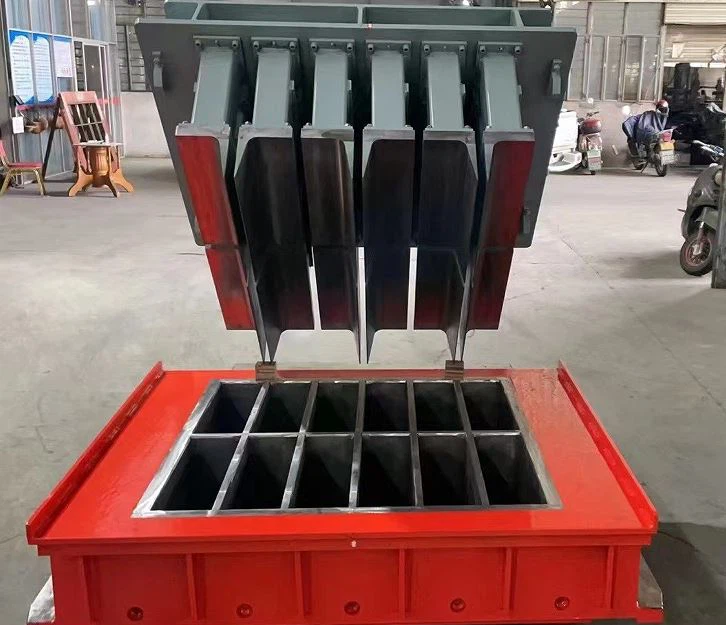
- Metal Moulds: Metal road curb moulds, such as those made of steel or aluminum, are generally the most fire - resistant. Metals have a high melting point and do not burn. They can withstand extremely high temperatures without significant deformation. For example, steel can maintain its shape even in the presence of intense heat, making it an ideal choice for applications where fire safety is a top priority. However, metal moulds are also heavier and more expensive than plastic or fiberglass moulds.
Design and Thickness
The design of the road curb mould can also affect its fire resistance. A well - designed mould with a uniform thickness can distribute heat more evenly during a fire. If a mould has thin sections, these areas may heat up more quickly and be more prone to deformation. Additionally, some mould designs may incorporate features that enhance fire resistance, such as internal reinforcements or insulating layers.
Importance of Fire Resistance in Road Curb Moulds
Construction Site Safety
On a construction site, there are many potential fire hazards, such as welding operations, electrical malfunctions, or the use of flammable materials. If a road curb mould is not fire - resistant, a fire could cause it to melt or deform, which may lead to accidents. For example, a melted mould could collapse, potentially injuring workers or causing damage to other equipment on the site. By using fire - resistant road curb moulds, the risk of such accidents can be significantly reduced.
Long - Term Durability
Fire - resistant road curb moulds are more likely to last longer, even in the event of a fire. A mould that can withstand high temperatures without significant damage can continue to be used for multiple projects. This not only saves money on replacement costs but also ensures that the quality of the road curbs produced remains consistent over time.
Regulatory Compliance
In many regions, there are building codes and regulations that require the use of fire - resistant materials in construction. Road curb moulds are no exception. By using fire - resistant moulds, construction companies can ensure that their projects comply with these regulations. Failure to comply with fire - safety regulations can result in fines, delays in project completion, and even legal liability.
Our Offerings at [Supplier's Perspective]
As a supplier of Road Curb Moulds, we understand the importance of fire resistance in road curb moulds. We offer a wide range of road curb moulds made from different materials, each with varying levels of fire resistance to meet the diverse needs of our customers.
Our plastic road curb moulds are available with or without fire - retardant additives. If you are working on a project where fire safety is a concern but cost is also a factor, our fire - retardant plastic moulds can be a great option. They offer a balance between affordability and fire resistance.
For those who require higher levels of fire resistance, our fiberglass and metal road curb moulds are excellent choices. Our fiberglass moulds are made with high - quality fire - resistant resins, ensuring that they can withstand high temperatures while maintaining their shape. Our metal moulds, on the other hand, provide the ultimate in fire resistance and durability.
We also offer Kerb Stone Mould and Curb Stone Mould options, all of which are designed with fire - safety in mind. Whether you are a small - scale contractor or a large construction company, we can provide you with the right road curb moulds to meet your project requirements.
Conclusion
The fire resistance of road curb moulds is a critical aspect that should not be overlooked. It is influenced by factors such as material composition, design, and thickness. By understanding these factors, construction professionals can make informed decisions when choosing road curb moulds. At our company, we are committed to providing high - quality road curb moulds with varying levels of fire resistance to ensure the safety and success of your construction projects.
If you are interested in learning more about our road curb moulds or would like to discuss your specific project requirements, please feel free to contact us. We are here to assist you in finding the perfect road curb moulds for your needs.
References
- ASTM International. (Year). Standard test methods for fire - related tests of building materials and products.
- National Fire Protection Association. (Year). NFPA codes and standards related to construction materials and fire safety.
- Textbooks on materials science and construction technology that cover the properties of materials used in road curb moulds.