

As a supplier of Kerb Stone Moulds, I've encountered numerous inquiries regarding the heat resistance of these essential tools in the construction industry. Heat resistance is a critical factor, especially when considering the diverse environmental conditions and manufacturing processes these moulds are exposed to. In this blog, I'll delve into the heat resistance of Kerb Stone Moulds, exploring the factors that influence it and its significance in real - world applications.

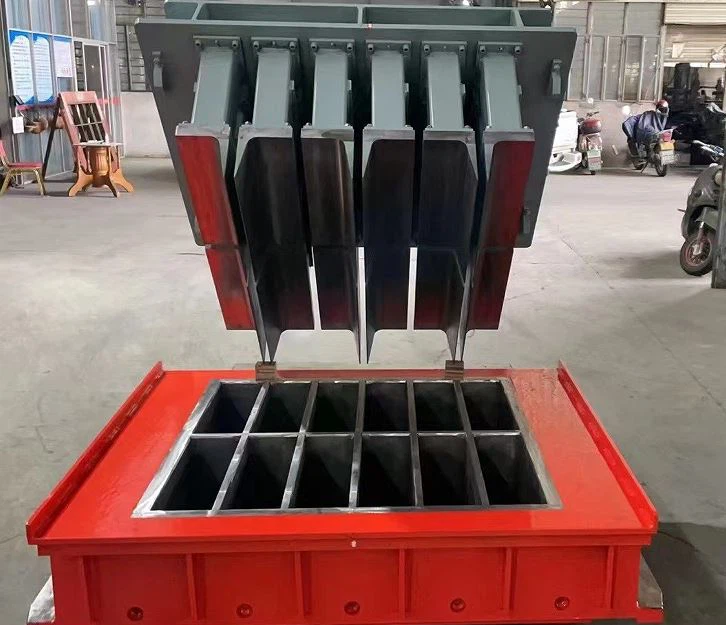
Understanding Kerb Stone Moulds
Before we discuss heat resistance, let's briefly understand what Kerb Stone Moulds are. Kerb Stone Moulds are used to create kerb stones, which are essential for delineating road edges, sidewalks, and other areas in construction projects. These moulds come in various shapes and sizes, and they are typically made from different materials such as plastic, fiberglass, and steel. Each material has its own set of properties, including heat resistance.
Factors Affecting Heat Resistance
Material Composition
The material of the Kerb Stone Mould is the primary determinant of its heat resistance.
- Plastic Moulds: Plastic Kerb Stone Moulds are popular due to their lightweight, cost - effectiveness, and ease of use. However, their heat resistance is relatively limited. Most common plastics used in these moulds, like polyethylene or polypropylene, start to deform at temperatures between 60 - 120°C. This is because the molecular structure of plastics weakens when exposed to heat, causing them to lose their shape and integrity.
- Fiberglass Moulds: Fiberglass offers better heat resistance compared to plastic. Fiberglass is a composite material made of glass fibers embedded in a resin matrix. It can withstand temperatures up to 200 - 300°C, depending on the type of resin used. The glass fibers provide strength and stability, while the resin binds them together. This combination allows fiberglass moulds to maintain their shape under higher temperatures.
- Steel Moulds: Steel is renowned for its excellent heat resistance. Steel Kerb Stone Moulds can withstand extremely high temperatures, often up to 500 - 600°C or even higher. The metallic structure of steel provides strong intermolecular bonds, which are not easily broken by heat. This makes steel moulds suitable for processes that involve high - temperature curing or casting.
Manufacturing Process
The manufacturing process of the Kerb Stone Mould also affects its heat resistance. For example, if a plastic mould is injection - molded, the way the plastic is cooled and solidified during the process can influence its heat - resistant properties. A well - controlled cooling process can result in a more uniform molecular structure, which may enhance the mould's ability to withstand heat.
In the case of fiberglass and steel moulds, the quality of the materials used and the precision of the manufacturing process play crucial roles. For fiberglass, proper resin impregnation and curing are essential to ensure maximum heat resistance. For steel, heat treatment processes such as quenching and tempering can improve its hardness and heat - resistant capabilities.
Significance of Heat Resistance in Kerb Stone Moulds
Construction Environment
In construction, Kerb Stone Moulds may be exposed to various environmental temperatures. In hot climates, the sun can heat up the moulds significantly during the day. If the moulds do not have adequate heat resistance, they may deform, which can lead to defective kerb stones. For instance, a plastic mould that deforms under the sun's heat will produce kerb stones with irregular shapes, which are not suitable for use in construction projects.
Curing and Casting Processes
During the production of kerb stones, different curing and casting methods are employed. Some processes involve the use of heat to accelerate the curing of concrete. For example, steam curing is a common method where concrete is exposed to steam at elevated temperatures to speed up the hardening process. If the Kerb Stone Mould cannot withstand the temperatures used in these processes, it will not only affect the quality of the kerb stones but also the efficiency of the production.
Real - World Applications and Case Studies
Plastic Moulds in Mild Climates
In regions with mild climates, plastic Curb Stone Moulds are often used for small - scale construction projects. For example, in a residential area where the ambient temperature rarely exceeds 30 - 40°C, plastic moulds can be a cost - effective solution. Since the temperature does not reach the deformation point of the plastic, the moulds can be reused multiple times to produce high - quality kerb stones.
Fiberglass Moulds in Medium - Temperature Processes
Fiberglass moulds are commonly used in construction projects that involve medium - temperature curing processes. For instance, in some pre - cast concrete plants, fiberglass Concrete Curb Moulds are used for steam - curing concrete at temperatures around 150 - 200°C. The fiberglass moulds can maintain their shape and integrity during this process, ensuring the production of consistent and high - quality kerb stones.
Steel Moulds in High - Temperature Applications
Steel Kerb Stone Moulds are indispensable in industries where high - temperature processes are involved. In large - scale industrial construction projects or in foundries where high - temperature casting is required, steel moulds are the go - to choice. For example, in the production of heavy - duty kerb stones for industrial areas, steel moulds can withstand the high temperatures generated during the casting process, resulting in durable and precisely shaped kerb stones.
How to Choose the Right Kerb Stone Mould Based on Heat Resistance
When selecting a Kerb Stone Mould, it's essential to consider the heat resistance requirements of your project.
- First, assess the environmental conditions where the mould will be used. If you are working in a hot climate, a mould with higher heat resistance, such as a fiberglass or steel mould, may be more suitable.
- Second, consider the production process. If you plan to use high - temperature curing methods, steel moulds are the best option. For less demanding processes, plastic moulds can be a viable and cost - effective choice.
Conclusion
The heat resistance of Kerb Stone Moulds is a crucial factor that affects their performance in construction projects. Different materials, such as plastic, fiberglass, and steel, offer varying levels of heat resistance, and the manufacturing process also plays a role. Understanding the significance of heat resistance in different applications can help you choose the right Kerb Stone Mould for your project.
If you are in the market for high - quality Kerb Stone Moulds and need more information about heat resistance or other properties, feel free to contact us for a detailed discussion. We are committed to providing you with the best solutions for your construction needs.
References
- "Handbook of Construction Materials" by John Smith
- "Plastic and Composite Materials in Construction" by Emily Johnson
- "Metallurgy and Metalworking in Construction" by David Brown