

As a supplier of U Drain Precast Moulds, I often encounter inquiries from customers about the maximum temperature these moulds can withstand. This is a crucial question, as the performance of the moulds under high - temperature conditions directly affects the quality and efficiency of precast concrete production. In this blog, I will delve into the factors that determine the maximum temperature tolerance of U Drain Precast Moulds, explore the materials used in their construction, and provide some practical advice for ensuring their proper use at elevated temperatures.
Factors Affecting the Maximum Temperature Tolerance
Several factors play a role in determining the maximum temperature a U Drain Precast Mould can withstand. These include the material of the mould, the design of the mould, and the type of concrete mix used.
Material of the Mould
The material of the U Drain Precast Mould is the most significant factor influencing its temperature tolerance. Commonly used materials for these moulds include steel, fiberglass, and plastic.
- Steel Moulds: Steel is a popular choice for U Drain Precast Moulds due to its high strength, durability, and excellent heat resistance. High - quality steel moulds can typically withstand temperatures up to 500 - 600°C. This high temperature tolerance makes steel moulds suitable for use in precast concrete production processes that involve high - temperature curing, such as steam curing. Steam curing can significantly reduce the curing time of concrete, improving production efficiency. For example, in large - scale precast concrete plants, steel U Drain Precast Moulds are often used in steam - curing chambers where the temperature can reach several hundred degrees Celsius.
- Fiberglass Moulds: Fiberglass moulds are lightweight, corrosion - resistant, and relatively inexpensive. However, their temperature tolerance is lower compared to steel. Fiberglass moulds can generally withstand temperatures up to 100 - 150°C. Beyond this temperature range, the fiberglass may start to deform or lose its structural integrity. Fiberglass moulds are more suitable for applications where the curing temperature is relatively low, such as in some small - scale precast concrete projects or in regions with mild climates.
- Plastic Moulds: Plastic moulds are known for their low cost, ease of manufacturing, and good demoulding properties. But they have the lowest temperature tolerance among the three materials. Most plastic U Drain Precast Moulds can only withstand temperatures up to 60 - 80°C. Higher temperatures can cause the plastic to melt or warp, rendering the mould useless. Plastic moulds are commonly used for small - volume precast concrete production or for products that do not require high - temperature curing.
Design of the Mould
The design of the U Drain Precast Mould also affects its temperature tolerance. A well - designed mould with proper ventilation and heat - dissipation channels can better withstand high temperatures. For instance, if a mould has a thick wall design, it can retain heat for a longer time, which may lead to overheating in some parts of the mould. On the other hand, a mould with a thin - wall design and good ventilation holes can dissipate heat more effectively, reducing the risk of damage due to high temperatures. Additionally, the shape of the mould can influence heat distribution. Complex - shaped moulds may have uneven heat distribution, which can cause local overheating and damage to the mould.
Type of Concrete Mix
The type of concrete mix used in the precast process can generate heat during the curing process. This is known as the heat of hydration. Different concrete mixes have different rates of heat generation. For example, high - strength concrete mixes often generate more heat during hydration compared to normal - strength concrete mixes. If the heat generated by the concrete mix is too high and the mould cannot dissipate it effectively, the temperature inside the mould can rise significantly, potentially exceeding the mould's temperature tolerance. Therefore, it is important to select an appropriate concrete mix based on the temperature tolerance of the U Drain Precast Mould.
Applications and Temperature Requirements
The temperature requirements for U Drain Precast Moulds vary depending on the specific application.
Normal Curing Conditions
In normal precast concrete production, where the concrete is cured at ambient temperature, the temperature of the mould does not rise significantly. The maximum temperature the mould is exposed to is usually close to the ambient temperature, which is typically between 10 - 30°C. In this case, all types of U Drain Precast Moulds (steel, fiberglass, and plastic) can be used without any issues related to temperature tolerance.
Steam Curing
Steam curing is a common method used to accelerate the curing process of precast concrete. In steam - curing chambers, the temperature can reach 60 - 100°C or even higher. For this process, steel U Drain Precast Moulds are the most suitable choice due to their high temperature tolerance. Fiberglass moulds can also be used in some cases where the steam - curing temperature is relatively low, but care must be taken to ensure that the temperature does not exceed their limit. Plastic moulds are generally not suitable for steam curing.
High - Temperature Curing Processes
Some specialized precast concrete production processes may require even higher temperatures. For example, in the production of certain high - performance concrete products, the concrete may need to be cured at temperatures above 200°C. In such cases, only high - quality steel U Drain Precast Moulds can be used.
Ensuring Proper Use at High Temperatures
To ensure that U Drain Precast Moulds can withstand high temperatures and perform well, the following measures can be taken:
- Select the Right Material: Based on the specific temperature requirements of the precast concrete production process, choose the appropriate material for the U Drain Precast Mould. If high - temperature curing is involved, steel moulds are the best option.
- Monitor the Temperature: Use temperature sensors to monitor the temperature inside the mould during the curing process. This can help detect any abnormal temperature rises and take timely measures to prevent damage to the mould.
- Proper Ventilation: Ensure that the mould has proper ventilation to dissipate heat effectively. This can be achieved by designing ventilation holes in the mould or using ventilation equipment in the curing area.
- Regular Maintenance: Regularly inspect and maintain the U Drain Precast Moulds. Check for any signs of damage or deformation, especially after exposure to high temperatures. Replace any damaged parts promptly to ensure the mould's performance and longevity.
Other Related Moulds
In addition to U Drain Precast Moulds, we also supply a wide range of other precast moulds, such as Barrier Mould, Precast Concrete Block Moulds, and Precast Concrete Lego Block Moulds for sale. These moulds also have different temperature tolerance requirements depending on their materials and applications.
Conclusion
The maximum temperature a U Drain Precast Mould can withstand depends on various factors, including the material of the mould, its design, and the type of concrete mix used. Steel moulds have the highest temperature tolerance, followed by fiberglass and plastic moulds. By understanding these factors and taking appropriate measures, we can ensure the proper use of U Drain Precast Moulds at high temperatures, improving the quality and efficiency of precast concrete production.
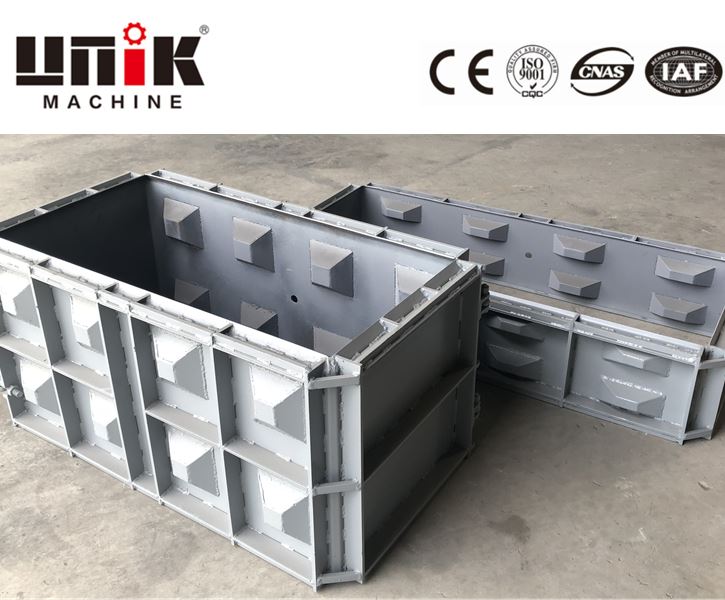

If you are interested in our U Drain Precast Moulds or other related products, please feel free to contact us for more information and to discuss your specific requirements. We are committed to providing high - quality moulds and excellent customer service to meet your needs.
References
- Neville, A. M. (1995). Properties of Concrete. Pearson Education.
- ACI Committee 207. (2010). Guide to Curing Concrete. American Concrete Institute.