

The surface finish of block moulds plays a crucial role in the quality and appearance of the final concrete blocks. As a block moulds supplier, I have witnessed firsthand the significance of understanding and optimizing the surface finish of these moulds. In this blog post, I will delve into what the surface finish of block moulds is, its importance, different types of surface finishes, and how it impacts the production of concrete blocks.
What is the Surface Finish of Block Moulds?
The surface finish of block moulds refers to the texture, smoothness, and overall quality of the inner surface of the mould that comes into contact with the concrete during the block - making process. It is determined by various factors such as the manufacturing process of the mould, the materials used, and any post - manufacturing treatments applied.
A well - finished block mould surface can significantly affect the properties of the concrete blocks. For example, a smooth surface finish can result in blocks with a more aesthetically pleasing appearance, while a textured finish can provide better grip or a unique visual effect.
Importance of Surface Finish
Appearance of Concrete Blocks
The surface finish of the mould is directly transferred to the surface of the concrete blocks. A high - quality surface finish on the mould will produce blocks with a smooth, uniform, and blemish - free appearance. This is particularly important for applications where the blocks are visible, such as in retaining walls or decorative structures. For instance, if you are using Retaining Wall Block Mould to create a retaining wall, a good surface finish on the mould will ensure that the wall looks professional and attractive.
Release of Concrete Blocks
A proper surface finish also affects how easily the concrete blocks can be released from the mould. A smooth surface reduces friction between the block and the mould, preventing the block from sticking. This not only makes the demoulding process faster and more efficient but also reduces the risk of damage to the blocks during removal. On the other hand, a rough or uneven surface finish can cause the blocks to adhere to the mould, leading to chipping, cracking, or other defects.
Durability of Moulds
The surface finish can impact the durability of the block moulds. A well - finished surface is more resistant to wear and tear, corrosion, and chemical damage. For example, a mould with a polished surface is less likely to accumulate dirt and debris, which can cause abrasion over time. This means that the mould will have a longer service life, reducing the need for frequent replacements and ultimately saving costs for the block manufacturers.
Types of Surface Finishes
Smooth Finish
A smooth finish is one of the most common surface finishes for block moulds. It is achieved through processes such as machining, grinding, and polishing. A smooth surface finish results in concrete blocks with a sleek and modern appearance. It is ideal for applications where a clean and professional look is desired, such as in modern architectural projects. Smooth - finished moulds are also easier to clean and maintain, as there are fewer crevices for dirt and concrete residue to accumulate.
Textured Finish
Textured finishes can be created in various ways, such as by using special machining techniques or applying a textured coating to the mould surface. Textured finishes can mimic the look of natural materials like stone, brick, or wood. This type of finish is popular for creating decorative concrete blocks that add a rustic or natural touch to a project. For example, if you are using Mould for Concrete Blocks to produce blocks for a garden wall, a textured finish can give the wall a more organic and inviting appearance.

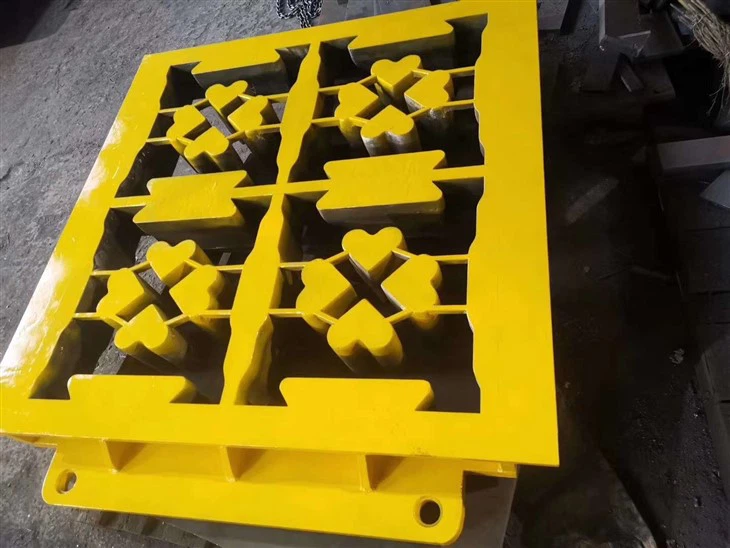
Coated Finish
Some block moulds are coated with special materials to enhance their surface properties. For example, a non - stick coating can be applied to improve the release of concrete blocks. This type of coating reduces friction and prevents the blocks from sticking to the mould, even under high - pressure conditions. Additionally, corrosion - resistant coatings can be used to protect the mould from rust and other forms of chemical damage, especially in environments where the moulds are exposed to moisture or harsh chemicals.
Impact on Concrete Block Production
Quality Control
The surface finish of block moulds is an important aspect of quality control in concrete block production. By ensuring that the moulds have a consistent and high - quality surface finish, manufacturers can produce blocks with uniform quality. This is essential for meeting industry standards and customer expectations. For example, if a manufacturer is producing Concrete Block Moulds For Sale, they need to ensure that the surface finish of the moulds is of the highest quality to produce blocks that are marketable.
Production Efficiency
As mentioned earlier, a good surface finish can improve the release of concrete blocks from the moulds. This means that the demoulding process can be completed more quickly, increasing the overall production efficiency. Faster demoulding also allows for more frequent use of the moulds, which can lead to higher production volumes. Additionally, a smooth surface finish reduces the need for post - production cleaning and finishing of the blocks, further saving time and resources.
Cost - Effectiveness
Investing in block moulds with a high - quality surface finish can be cost - effective in the long run. Although these moulds may have a higher upfront cost, their longer service life and improved production efficiency can result in significant savings over time. For example, a mould with a durable surface finish will require fewer replacements, reducing the cost of purchasing new moulds. Moreover, the improved quality of the blocks produced can lead to higher customer satisfaction and potentially more business.
Conclusion
In conclusion, the surface finish of block moulds is a critical factor in the production of high - quality concrete blocks. It affects the appearance, release, and durability of the blocks, as well as the efficiency and cost - effectiveness of the production process. As a block moulds supplier, I understand the importance of providing moulds with the best possible surface finish to meet the diverse needs of our customers.
If you are in the market for block moulds and are interested in learning more about how the surface finish can benefit your block production, I encourage you to contact us for a detailed discussion. Whether you need moulds for retaining walls, decorative blocks, or any other application, we can provide you with the right solutions tailored to your specific requirements. Let's work together to take your block production to the next level.
References
- "Concrete Block Manufacturing: Principles and Practices" by John Smith
- "Surface Finishing Techniques for Industrial Moulds" by Jane Doe
- Industry reports on concrete block production and mould technology