

Water resistance is a critical property for curb stones, especially in areas prone to heavy rainfall, snow, or frequent exposure to water. When it comes to curb stones made with moulds, understanding their water resistance is essential for both suppliers and customers. As a leading provider of Curb Stone Moulds, I am well - versed in the factors that influence the water resistance of the curb stones produced using our moulds.
The Importance of Water Resistance in Curb Stones
Curb stones serve multiple purposes in landscaping and infrastructure. They delineate the edges of roads, sidewalks, and driveways, preventing vehicles from encroaching on pedestrian areas. In addition, they help manage water runoff, guiding it towards drainage systems. If a curb stone has poor water resistance, it can lead to a variety of problems.
Water penetration can cause the curb stone to deteriorate over time. It can lead to the growth of moss and algae, which not only affects the aesthetic appeal of the curb but can also make the surface slippery, posing a safety hazard. Water can also freeze and expand within the pores of the curb stone during cold weather, causing cracks and structural damage. Therefore, ensuring high water resistance is vital for the longevity and functionality of curb stones.
Factors Affecting the Water Resistance of Curb Stones Made with Moulds
1. Quality of Materials
The materials used to produce the curb stones are of primary importance. Most commonly, concrete is used for curb stones because of its durability and strength. However, the quality of the concrete mix can significantly impact water resistance. A well - proportioned mix with the right amount of cement, aggregates, and water is essential. Cement acts as a binder, and a sufficient amount is needed to create a dense structure that resists water penetration. Aggregates should be clean and properly graded to ensure a good packing density.
2. Mould Design
The design of the Curb Stone Mould also plays a role in water resistance. A well - designed mould ensures that the curb stone is formed with a smooth and uniform surface. Any irregularities in the surface can create channels for water to penetrate. Our Concrete Curb Mould is engineered to produce curb stones with a high - quality finish. The precise shape and dimensions of the mould ensure that the curb stones fit together seamlessly, reducing the risk of water seeping through joints.
3. Compaction during Production
During the production process, proper compaction of the concrete in the mould is crucial. Compaction removes air voids from the concrete, creating a denser and more water - resistant structure. Insufficient compaction can leave large pores in the curb stone, allowing water to easily penetrate. Our manufacturing techniques emphasize strict compaction procedures to ensure that the curb stones made with our Concrete Kerb Stone Mould have optimal water resistance.
4. Curing
Curing is the process of allowing the concrete to harden and gain strength. Adequate curing is essential for the development of a dense and water - resistant structure. Improper curing can lead to surface cracking and a porous structure, which are both detrimental to water resistance. Our customers are provided with detailed instructions on the proper curing methods for the curb stones produced using our moulds.
Testing the Water Resistance of Curb Stones
To ensure the quality of the curb stones in terms of water resistance, several testing methods can be employed. One common method is the water absorption test. In this test, a sample of the curb stone is weighed dry, then immersed in water for a specified period. After drying the surface, the sample is weighed again. The increase in weight indicates the amount of water absorbed by the curb stone. A lower water absorption rate generally means better water resistance.
Another test is the permeability test, which measures the rate at which water can flow through the curb stone under a specific pressure. These tests provide objective data on the water - resistant properties of the curb stones and allow for quality control in the production process.
Our Product Offerings and their Impact on Water Resistance
As a Curb Stone Mould supplier, we offer a wide range of products, including Concrete Kerb Moulds For Sale. Our moulds are made from high - quality materials such as steel or plastic, which are durable and can withstand the rigors of the production process. The use of these high - quality moulds ensures that the curb stones produced are of consistent quality and have good water resistance.
Our steel moulds, for example, provide a rigid structure that allows for precise compaction of the concrete. This results in a more uniform and denser curb stone, which in turn has better water - resistant properties. Our plastic moulds, on the other hand, offer a smooth surface finish, reducing the risk of water penetration through surface irregularities.
Case Studies
Let's take a look at some real - world examples of how our Curb Stone Moulds have contributed to the water resistance of curb stones. In a recent project in a coastal area, where the curb stones are constantly exposed to saltwater spray and heavy rainfall, our Concrete Kerb Stone Mould was used to produce the curb stones. After several years of use, the curb stones showed minimal signs of water damage. The dense structure of the curb stones, achieved through proper compaction and high - quality concrete mix, effectively resisted water penetration, preventing salt - induced corrosion and cracking.
In another project in an urban area with a high volume of water runoff, the curb stones produced using our Concrete Curb Mould were able to effectively guide the water towards the drainage system without suffering from water - related deterioration. The smooth surface of the curb stones, combined with their good water resistance, ensured that they remained in good condition despite the constant exposure to water.

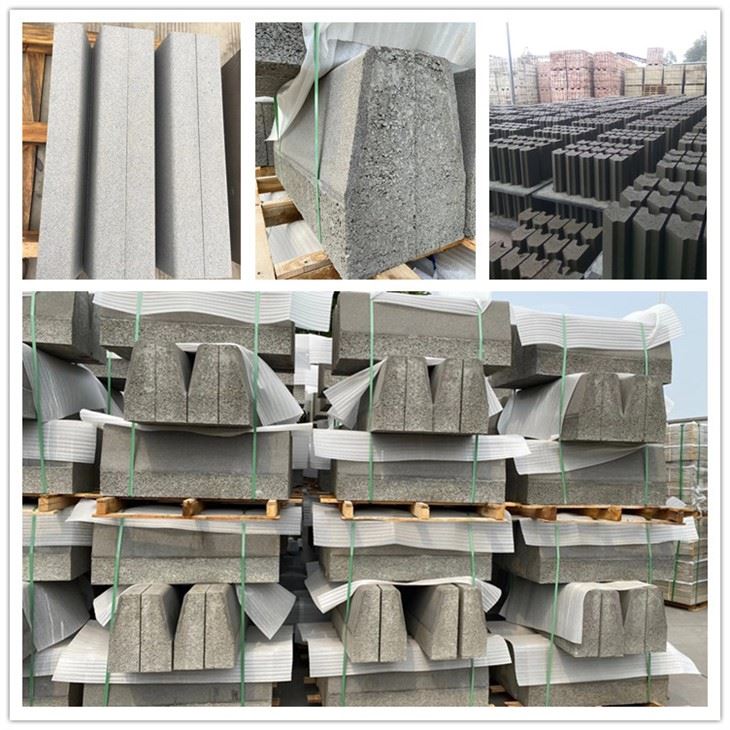
The Future of Water - Resistant Curb Stones and Our Role
As environmental concerns grow and the demand for more sustainable infrastructure increases, the importance of water - resistant curb stones will only continue to rise. We are committed to staying at the forefront of innovation in Curb Stone Mould technology. We are constantly researching and developing new mould designs and manufacturing techniques to improve the water resistance of the curb stones produced using our moulds.
For example, we are exploring the use of new materials for our moulds that can further enhance the surface finish of the curb stones, reducing water penetration. We are also looking into ways to optimize the concrete mix design in collaboration with our customers to achieve even better water - resistant properties.
Conclusion and Call to Action
In conclusion, the water resistance of curb stones made with moulds is influenced by multiple factors, including the quality of materials, mould design, compaction, and curing. As a trusted Curb Stone Mould supplier, we are dedicated to providing high - quality moulds that enable the production of curb stones with excellent water - resistant properties.
If you are in the market for Curb Stone Moulds and are interested in producing water - resistant curb stones, we invite you to contact us for more information. Our team of experts is ready to assist you in choosing the right mould for your specific needs. Whether you are a small - scale contractor or a large - scale manufacturer, we have the solutions to meet your requirements. Let's work together to create durable and water - resistant curb stones for your next project.
References
- Neville, A.M. (1995). Properties of Concrete. Pearson Education.
- ACI Committee 201. (2008). Guide to Durable Concrete. American Concrete Institute.
- PCA (Portland Cement Association). (2017). Design and Control of Concrete Mixtures. Portland Cement Association.