

Hey there! As a supplier of curb moulds, I often get asked about the weight of these handy tools. It's a crucial factor, especially when you're thinking about transportation, handling, and storage. So, let's dive right in and explore what affects the weight of curb moulds and why it matters.
What Influences the Weight of Curb Moulds?
First off, the material used to make the curb moulds plays a huge role. There are different types of materials out there, each with its own unique weight characteristics.
Plastic Curb Moulds
Plastic curb moulds are quite popular because they're lightweight and relatively inexpensive. They're usually made from high - density polyethylene (HDPE) or polypropylene. These plastics are tough but not as heavy as some other materials. For a standard-sized plastic curb mould, you're looking at a weight that can range from a few pounds to maybe 15 - 20 pounds, depending on its size and thickness. The advantage of their light weight is that they're easy to move around on the job site. You can carry them from one place to another without breaking your back. And when it comes to shipping, they won't add a ton of extra cost due to weight.
Steel Curb Moulds
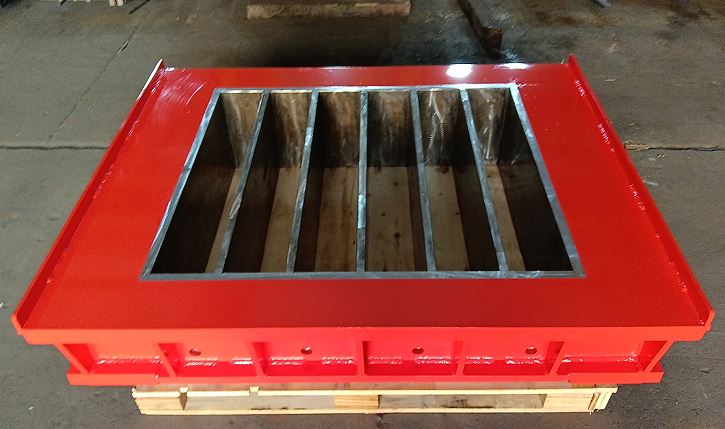
On the other end of the spectrum, we have steel curb moulds. Kerb Stone Steel Mould are known for their durability and strength. Steel is a heavy material, so these moulds can be significantly heavier than their plastic counterparts. A small steel curb mould might weigh around 30 - 40 pounds, while larger, more complex ones can weigh well over 100 pounds. The weight of steel moulds is both a pro and a con. On the plus side, their heavy weight means they're very stable when in use. They won't shift or move around easily while you're pouring concrete into them, which results in more accurate and consistent kerb stones. However, the downside is that they're a lot more difficult to handle. You might need some equipment like a forklift or a hoist to move them around, and shipping costs can be higher because of their weight.
Fiberglass Curb Moulds
Fiberglass curb moulds are a middle - ground option. They're lighter than steel but heavier than plastic. They typically weigh between 15 - 30 pounds, depending on the size. Fiberglass offers a good balance of strength and weight. It's resistant to corrosion and can withstand the pressure of concrete pouring. It's also relatively easy to handle compared to steel, but it still provides more stability than plastic in some cases.
Why Does the Weight of Curb Moulds Matter?
Transportation
When you're transporting curb moulds, weight is a major consideration. Shipping companies charge based on weight, so heavier moulds will cost more to ship. If you're a contractor or a DIY enthusiast buying curb moulds, you need to factor in these shipping costs. For example, if you're ordering a large number of steel curb moulds, the shipping bill could be quite substantial. On the other hand, plastic moulds can save you a lot of money on shipping because of their light weight.

Handling on the Job Site
The weight of the curb moulds also affects how easy they are to handle on the job site. If you're working alone or with a small team, heavy moulds can be a real challenge. You might need to take extra precautions to avoid injuries when lifting and moving them. Lightweight moulds, like plastic ones, are much easier to carry and position. This can increase the efficiency of your work and reduce the risk of accidents.
Storage
Storage is another area where weight matters. Heavier moulds take up more space and might require more robust storage solutions. For example, steel moulds might need to be stored on sturdy racks to prevent them from tipping over or getting damaged. Plastic and fiberglass moulds are easier to stack and store in a smaller area because of their lighter weight.
How to Choose the Right Weight of Curb Moulds for Your Project
Project Scale
If you're working on a small - scale project, like building a small garden border, plastic curb moulds might be the best choice. They're easy to handle and won't cost a fortune. But if you're working on a large - scale commercial project, such as a road construction project, steel or fiberglass moulds might be more suitable. Their durability and stability are essential for producing high - quality kerb stones in large quantities.
Budget
Your budget also plays a role in choosing the right weight of curb moulds. Plastic moulds are generally the most affordable option, both in terms of the purchase price and shipping costs. Steel moulds are more expensive upfront, and the shipping costs can add up quickly. Fiberglass moulds are in the middle price - range. You need to balance your budget with your project requirements.
Our Curb Mould Offerings
As a supplier, I offer a wide range of curb moulds to suit different needs. Whether you're looking for lightweight plastic Concrete Kerb Moulds For Sale for a small project or heavy - duty steel Kerb Stone Mould for a large - scale job, we've got you covered. Our team can help you choose the right type and weight of curb moulds based on your specific project requirements.
If you're in the market for curb moulds, don't hesitate to reach out. We're here to answer any questions you might have and help you make the best decision for your project. Whether it's about the weight, material, or any other aspect of curb moulds, we're just a message away.
References
- Construction Materials Handbook: This handbook provides detailed information about different materials used in construction, including those for curb moulds.
- Industry reports on the manufacturing and use of curb moulds, which offer insights into the trends and preferences regarding the weight and material of these moulds.