

Slab moulds are essential tools in the construction and manufacturing industries, used to create various types of slabs, such as concrete paving slabs, decorative slabs, and more. As a slab moulds supplier, I've had the chance to work with a wide range of materials for these moulds. Each material has its own unique properties, advantages, and disadvantages. In this blog, I'll break down the common materials used to make slab moulds and give you the low - down on what makes each one tick.
Steel
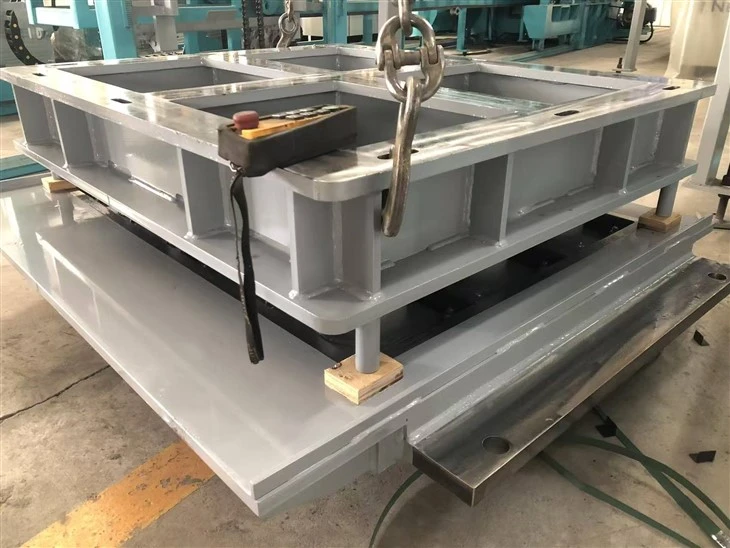
Steel is a heavy - hitter in the world of slab mould manufacturing. It's known for its durability and strength. Steel moulds can withstand high pressure and repeated use without significant wear and tear. This makes them ideal for large - scale production where thousands of slabs need to be made.
One of the main advantages of steel moulds is their precision. They can be machined to very tight tolerances, which means the slabs produced will have consistent dimensions and high - quality finishes. Whether you're making simple rectangular paving slabs or complex decorative ones, steel moulds can deliver the accuracy you need.
Another plus is that steel is resistant to corrosion, especially if it's properly treated or made from stainless steel. This extends the lifespan of the moulds, reducing the need for frequent replacements. You can find some great examples of Steel Moulds For Concrete Paving Slabs on our website.
However, steel moulds do have their drawbacks. They're relatively expensive to manufacture, which can be a deterrent for small - scale producers or those on a tight budget. Also, they're heavy, which can make handling and transportation a bit of a hassle.
Plastic
Plastic is a popular choice for slab moulds, especially for smaller projects or when cost is a major concern. There are different types of plastics used, such as polyethylene (PE) and polypropylene (PP).

Plastic moulds are lightweight, making them easy to handle and move around. This is a big plus if you're working on a job site where you need to reposition the moulds frequently. They're also relatively inexpensive to produce, so you can get a good number of them without breaking the bank.
One of the great things about plastic is its flexibility. It can be easily molded into different shapes and sizes, allowing for a wide variety of slab designs. Whether you want a simple square slab or a more intricate pattern, plastic moulds can usually accommodate your needs.
But plastic isn't as durable as steel. It can warp or crack over time, especially if it's exposed to high temperatures or harsh chemicals. This means that plastic moulds may need to be replaced more often than steel ones.
Fiberglass
Fiberglass is another material that's used in slab mould production. It combines the strength of glass fibers with the flexibility of a resin matrix.
Fiberglass moulds are strong and can withstand a fair amount of pressure during the slab - making process. They're also lightweight compared to steel, which makes them easier to transport and handle.
One of the key advantages of fiberglass is its resistance to chemicals and moisture. This makes it suitable for use in outdoor environments or when working with certain types of concrete mixes that may contain corrosive substances.
Fiberglass can be molded into complex shapes, giving you a lot of design freedom. You can create slabs with unique textures and patterns that can enhance the aesthetic appeal of your projects.
However, fiberglass moulds can be a bit more expensive than plastic ones, and they require some skill to manufacture properly. If not made correctly, they may develop defects that can affect the quality of the slabs.
Aluminum
Aluminum is a lightweight metal that's increasingly being used in slab mould manufacturing. It has a good strength - to - weight ratio, which means it can be strong enough for the job while still being easy to handle.
Aluminum moulds are corrosion - resistant, which is a big plus for long - term use. They can be used in outdoor settings without worrying too much about rusting or degradation.
One of the advantages of aluminum is its thermal conductivity. This can help with the curing process of the concrete slabs, as it allows for more even heat distribution. This can result in better - quality slabs with fewer defects.
Aluminum can be easily machined and formed into different shapes, so you can create a variety of slab designs. It's also recyclable, which is an environmentally friendly option.
But like steel, aluminum moulds can be relatively expensive to produce, and they may not be as durable as steel in extremely high - pressure applications.
Pressed Concrete
Pressed concrete slab moulds are also an option. These moulds are made from concrete itself, which may seem a bit counter - intuitive at first. But they have their own set of advantages.
Pressed concrete moulds are very durable and can withstand a lot of wear and tear. They can be used to produce large numbers of slabs over an extended period.
They can create slabs with a very realistic texture and appearance, as the concrete in the mould can transfer its own characteristics to the newly - made slabs. You can check out our Pressed Concrete Slab Moulds for more details.
However, pressed concrete moulds are heavy and can be difficult to move around. They also require a significant amount of space for storage.
Cast Iron
Cast iron is a traditional material that has been used in mould - making for a long time. It's extremely strong and can handle high pressures during the slab - making process.
Cast iron moulds are known for their longevity. They can last for many years with proper care, making them a good investment for large - scale producers.
They can produce slabs with a high - quality finish, as the smooth surface of the cast iron can transfer to the concrete.
But cast iron is very heavy, which makes it difficult to handle and transport. It's also prone to rusting if not properly protected, so regular maintenance is required.
Conclusion
As you can see, there are several materials available for slab moulds, each with its own pros and cons. The choice of material depends on various factors such as your budget, the scale of your production, the design requirements of your slabs, and the environmental conditions in which the moulds will be used.
If you're in the market for slab moulds, we're here to help. We offer a wide range of Paving Slab Moulds made from different materials to suit your specific needs. Whether you're a small - scale DIY enthusiast or a large - scale construction company, we can provide you with the right moulds for your projects.
If you have any questions or want to discuss your requirements further, don't hesitate to reach out. We're always happy to have a chat and help you find the best slab mould solution for you. Let's start a conversation and see how we can work together to bring your slab - making projects to life.
References
- Construction Materials Handbook: A Guide to Selection and Specification
- Manufacturing Processes for Engineering Materials
- Concrete Technology: Theory and Practice