

When it comes to barrier moulds, the choice of materials is a critical factor that significantly impacts the quality, durability, and performance of the final product. As a leading barrier mould supplier, I have extensive experience in working with various materials to meet the diverse needs of our customers. In this blog post, I will explore the different materials that can be used in a barrier mould and discuss their advantages and limitations.
Steel
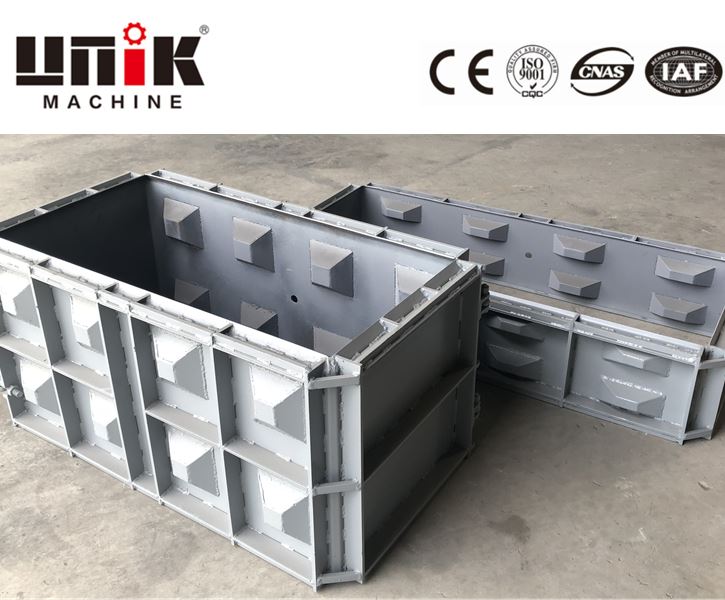
Steel is one of the most commonly used materials in barrier mould manufacturing. It is known for its high strength, durability, and resistance to wear and tear. Steel moulds can withstand high pressures and temperatures, making them suitable for large-scale production. They also offer excellent dimensional accuracy and can produce complex shapes with high precision.
One of the main advantages of steel moulds is their long lifespan. With proper maintenance, steel moulds can last for many years, reducing the need for frequent replacements. This makes them a cost-effective option in the long run, especially for high-volume production. Additionally, steel moulds can be easily repaired and modified, allowing for flexibility in the manufacturing process.
However, steel moulds also have some limitations. They are relatively heavy, which can make transportation and handling more challenging. Steel is also a good conductor of heat, which can result in longer cooling times during the production process. This can increase the cycle time and reduce the overall productivity. Moreover, steel moulds are more expensive to manufacture compared to other materials, which can be a significant factor for small-scale producers.
Aluminum
Aluminum is another popular material for barrier moulds. It is lightweight, corrosion-resistant, and has excellent thermal conductivity. Aluminum moulds are easy to handle and transport, making them a convenient option for various applications. They also offer fast cooling times, which can improve the productivity of the manufacturing process.
One of the key advantages of aluminum moulds is their cost-effectiveness. Aluminum is less expensive than steel, which can make it a more affordable option for small and medium-sized producers. Aluminum moulds are also relatively easy to machine, allowing for quick prototyping and customization. This makes them suitable for producing small batches or unique designs.
However, aluminum moulds have some limitations as well. They are not as strong as steel moulds and may not be suitable for applications that require high pressure or heavy loads. Aluminum is also more prone to wear and tear, which can reduce the lifespan of the mould. Additionally, aluminum moulds may require more frequent maintenance to prevent corrosion and ensure optimal performance.
Plastic
Plastic moulds are a versatile option for barrier moulds. They are lightweight, inexpensive, and can be easily molded into various shapes and sizes. Plastic moulds are also resistant to corrosion and chemicals, making them suitable for use in harsh environments. They offer good flexibility and can produce parts with complex geometries.
One of the main advantages of plastic moulds is their low cost. Plastic is a relatively inexpensive material, which can make it an attractive option for budget-conscious producers. Plastic moulds are also easy to manufacture, allowing for quick turnaround times. They can be produced using injection molding or other plastic processing techniques, which are highly efficient and cost-effective.
However, plastic moulds have some limitations. They are not as strong as steel or aluminum moulds and may not be suitable for applications that require high strength or durability. Plastic is also a poor conductor of heat, which can result in longer cooling times and reduced productivity. Additionally, plastic moulds may have a shorter lifespan compared to metal moulds and may need to be replaced more frequently.

Fiberglass
Fiberglass is a composite material that consists of glass fibers embedded in a resin matrix. It is known for its high strength, lightweight, and corrosion resistance. Fiberglass moulds are commonly used in the production of large and complex barrier structures, such as sea barriers and sound barriers.
One of the key advantages of fiberglass moulds is their excellent strength-to-weight ratio. Fiberglass is much lighter than steel or aluminum, which can make it easier to handle and transport. It also offers good resistance to corrosion and weathering, making it suitable for outdoor applications. Fiberglass moulds can be easily customized to meet the specific requirements of the project.
However, fiberglass moulds also have some limitations. They are more expensive to manufacture compared to plastic moulds and may require specialized equipment and expertise. Fiberglass is also a brittle material, which can make it more prone to cracking and damage. Additionally, fiberglass moulds may have a longer production time compared to other materials, which can affect the overall project schedule.
Conclusion
In conclusion, the choice of material for a barrier mould depends on various factors, including the specific application, production volume, budget, and desired properties of the final product. Steel is a durable and high-strength option suitable for large-scale production, while aluminum offers a cost-effective and lightweight alternative. Plastic moulds are versatile and inexpensive, making them a good choice for small batches and unique designs. Fiberglass is a strong and corrosion-resistant material commonly used in large and complex barrier structures.
As a barrier mould supplier, we offer a wide range of moulds made from different materials to meet the diverse needs of our customers. Whether you are looking for Concrete Lego Block Moulds, Precast Concrete Block Moulds, or Precast Concrete Lego Block Moulds for sale, we have the expertise and experience to provide you with high-quality moulds that meet your requirements.
If you are interested in learning more about our barrier moulds or would like to discuss your specific needs, please feel free to contact us. Our team of experts is ready to assist you in choosing the right material and design for your project. We look forward to working with you and helping you achieve your manufacturing goals.
References
- ASM Handbook Committee. (2005). ASM Handbook, Volume 6: Welding, Brazing, and Soldering. ASM International.
- Callister, W. D., & Rethwisch, D. G. (2012). Materials Science and Engineering: An Introduction. Wiley.
- Dieter, G. E. (1986). Engineering Design: A Materials and Processing Approach. McGraw-Hill.