

Hey there! As a block moulds supplier, I've been getting a lot of questions lately about the corrosion resistance of block moulds. So, I thought I'd take a few minutes to break it down for you and give you the lowdown on what corrosion resistance means for these essential tools in the construction industry.
First off, let's talk about what corrosion is. In simple terms, corrosion is the gradual destruction of materials, usually metals, by chemical reactions with their environment. When it comes to block moulds, corrosion can be a real headache. It can lead to a bunch of problems, like reduced lifespan of the moulds, poor quality of the blocks produced, and increased maintenance costs.
Now, why is corrosion resistance so important for block moulds? Well, block moulds are often exposed to harsh conditions. They're in contact with concrete, which is a highly alkaline material. This alkaline environment can be pretty corrosive, especially over time. Plus, block moulds might also be exposed to moisture, which can speed up the corrosion process. If a mould corrodes, it can develop rough surfaces, pits, and cracks. These imperfections can transfer to the blocks being made, resulting in blocks that don't meet the required standards in terms of appearance and strength.
So, how do we measure the corrosion resistance of block moulds? There are a few ways. One common method is through salt spray testing. In this test, the mould sample is placed in a chamber where a fine mist of saltwater is sprayed onto it for a set period. After the test, the sample is examined for signs of corrosion, like rust or discoloration. The longer it takes for corrosion to appear, the better the corrosion resistance of the mould.
Another way is to look at the material used to make the block moulds. Different materials have different levels of corrosion resistance. For example, stainless steel is known for its excellent corrosion resistance. It contains chromium, which forms a thin, protective oxide layer on the surface of the steel. This layer acts as a barrier, preventing oxygen and water from reaching the metal beneath and causing corrosion.
We offer a variety of block moulds, each with its own level of corrosion resistance. For instance, our Concrete Block Mould is made from high - quality materials that are chosen for their durability and corrosion - fighting properties. These moulds are designed to withstand the rigors of continuous use in a concrete - making environment.
Our Cement Hollow Block Mould is another great option. The materials used in these moulds are carefully selected to resist the alkaline nature of cement. They're built to last, even when exposed to moisture and the constant pressure of block production.
And then there are our Benton Block Moulds. These moulds are crafted with corrosion resistance in mind. They're made to handle the specific requirements of producing Benton blocks, which often involve unique mixtures and production processes.
But it's not just about the material. The manufacturing process also plays a big role in the corrosion resistance of block moulds. Proper heat treatment, for example, can enhance the hardness and corrosion resistance of the metal. A well - finished surface can also reduce the chances of corrosion. A smooth surface is less likely to trap moisture and debris, which can lead to corrosion over time.
Maintenance is also key to ensuring the long - term corrosion resistance of block moulds. After each use, it's important to clean the moulds thoroughly. Removing any residual concrete or debris can prevent the build - up of corrosive substances. Applying a protective coating can also add an extra layer of defense against corrosion. There are special coatings available that are designed to resist the alkaline environment of concrete and protect the metal surface.
Now, let's talk about the benefits of choosing block moulds with good corrosion resistance. First of all, you'll save money in the long run. Since these moulds last longer, you won't have to replace them as often. This means lower capital expenditure on new moulds.
Secondly, you'll get better - quality blocks. With corrosion - free moulds, the blocks you produce will have a smooth, consistent finish and the right strength characteristics. This can lead to higher customer satisfaction and more business for you.
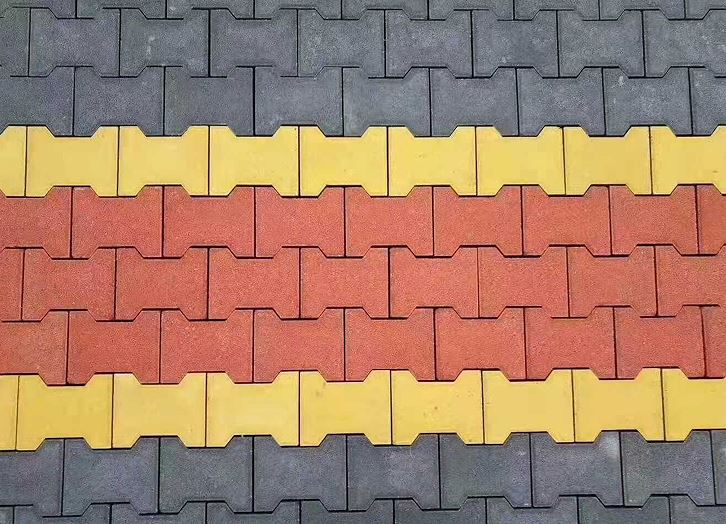

Finally, it reduces downtime. When a mould corrodes, it might need to be taken out of production for repairs or replacement. This can cause delays in your block - making operations. By choosing corrosion - resistant moulds, you can keep your production running smoothly.
If you're in the market for block moulds and are concerned about corrosion resistance, we're here to help. We've got a wide range of options to suit different needs and budgets. Whether you're a small - scale block producer or a large construction company, we can provide you with the right block moulds.
So, don't hesitate to reach out to us if you have any questions or if you're ready to start a purchase. We're happy to have a chat about your specific requirements and find the best block moulds for you.
References
- "Corrosion Science and Engineering" textbooks
- Industry reports on block mould manufacturing and corrosion prevention