

As a dedicated supplier of Concrete Block Moulds, I've spent years exploring the intricate world of concrete block production. One of the most critical aspects that often comes up in discussions with clients is the frost resistance of concrete blocks made using our moulds. In this blog, I'll delve into what frost resistance means, how it's affected by the moulds we supply, and why it matters in real - world applications.
Understanding Frost Resistance of Concrete Blocks
Frost resistance refers to a concrete block's ability to withstand the damaging effects of freezing and thawing cycles. When water penetrates the pores of concrete and then freezes, it expands by about 9%. This expansion creates internal stresses within the block. If these stresses exceed the tensile strength of the concrete, it can lead to cracking, spalling, and ultimately, a significant reduction in the block's structural integrity.
A concrete block with high frost resistance can endure multiple freeze - thaw cycles without substantial deterioration. This is crucial in regions with cold climates, where the temperature frequently fluctuates above and below the freezing point.
Factors Influencing Frost Resistance
1. Concrete Mix Design
The quality and composition of the concrete mix play a fundamental role in determining frost resistance. A well - designed mix should have a low water - cement ratio. A lower water - cement ratio results in a denser concrete structure with fewer pores, reducing the amount of water that can penetrate the block. Additionally, the use of air - entraining agents is common. These agents introduce tiny air bubbles into the concrete, which act as relief valves, accommodating the expansion of freezing water and reducing internal stresses.
2. Curing Process
Proper curing is essential for developing the full strength and frost resistance of concrete blocks. During curing, the concrete undergoes a chemical reaction called hydration, which hardens the material. If the curing process is interrupted or not carried out under the right conditions (such as appropriate temperature and humidity), the concrete may not reach its optimal strength, and its frost resistance will be compromised.
3. The Role of Concrete Block Moulds
As a supplier of Concrete Block Moulds, I understand the significant impact our products can have on frost resistance. High - quality moulds ensure a consistent shape and density of the concrete blocks. When the blocks are uniform in shape, it is easier to achieve a proper concrete mix distribution and compaction during the manufacturing process.
For example, our Benton Block Moulds are designed with precision to create blocks with a smooth surface finish and well - defined edges. This not only enhances the aesthetic appeal of the blocks but also contributes to their structural integrity. A smooth surface reduces the likelihood of water accumulation, which in turn minimizes the risk of water penetration and subsequent freeze - thaw damage.
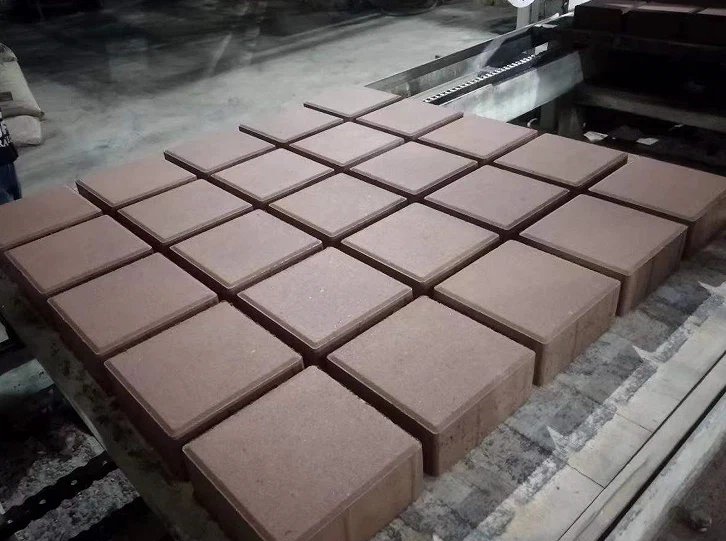
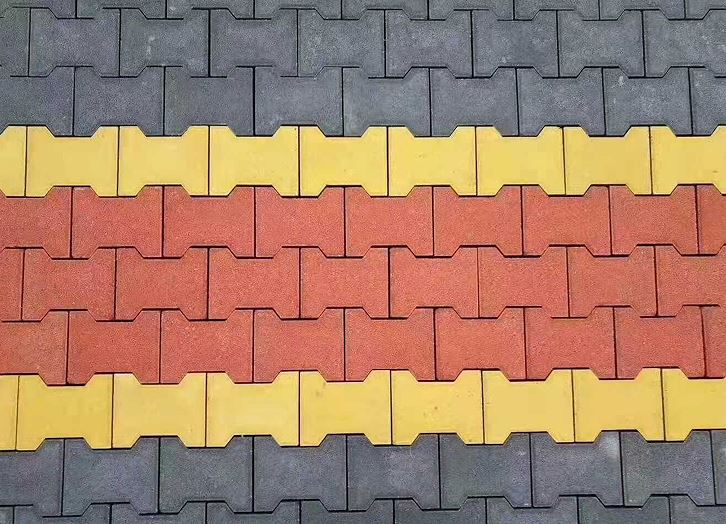
Similarly, our Pavement Block Moulds are engineered to produce blocks that are suitable for outdoor applications, where they are more likely to be exposed to harsh weather conditions. The moulds ensure that the blocks have the right thickness and density to withstand the stresses associated with freezing and thawing.
Testing Frost Resistance
There are several methods to test the frost resistance of concrete blocks. One common approach is the freeze - thaw cycling test. In this test, the blocks are submerged in water and then subjected to a series of freezing and thawing cycles. After a specified number of cycles, the blocks are inspected for signs of damage, such as cracking, scaling, or loss of mass.
Another method is the measurement of the relative dynamic modulus of elasticity. This test measures the change in the block's stiffness over time as it undergoes freeze - thaw cycles. A significant decrease in the dynamic modulus indicates a loss of structural integrity and poor frost resistance.
Real - World Applications and the Importance of Frost Resistance
In cold regions, the frost resistance of concrete blocks is of utmost importance in various construction projects. For example, in building foundations, concrete blocks with low frost resistance can crack and shift over time due to freeze - thaw cycles. This can lead to structural instability and costly repairs.
In road and pavement construction, Pavement Block Moulds are used to produce blocks that are exposed to the elements. Frost - damaged pavement blocks can create uneven surfaces, posing a safety hazard to pedestrians and vehicles.
In addition, in retaining walls, where concrete blocks are used to hold back soil, frost resistance is crucial to prevent block failure and soil erosion.
Our Range of Moulds and Frost Resistance
We offer a diverse range of moulds, including Interlocking Block Mould. These interlocking moulds produce blocks that fit together tightly, creating a more stable and durable structure. The interlocking design also helps to prevent water from seeping between the blocks, further enhancing frost resistance.
Our team of experts is always available to provide guidance on selecting the right mould for your specific needs. We understand that different projects may require different block shapes and sizes, and we can help you choose a mould that will result in concrete blocks with the best possible frost resistance.
Contact Us for Your Concrete Block Mould Needs
If you're in the market for high - quality Concrete Block Moulds and want to ensure the frost resistance of your concrete blocks, we're here to assist you. Whether you're a small - scale construction company or a large - scale manufacturer, our moulds are designed to meet your requirements.
Don't hesitate to reach out to us to discuss your project and learn more about how our moulds can contribute to the production of frost - resistant concrete blocks. We look forward to partnering with you to create durable and high - performing concrete products.
References
- Neville, A. M. (1995). Properties of Concrete. Pearson Education.
- ACI Committee 201. (2005). Guide to Durable Concrete. American Concrete Institute.
- Mindess, S., Young, J. F., & Darwin, D. (2003). Concrete. Prentice Hall.