

Hey there! As a supplier of Paver Block Moulds, I often get asked about the transparency of plastic paver block moulds. It might seem like a niche topic, but it's actually quite important, especially when you're in the business of making high - quality paver blocks. So, let's dive right in and explore what transparency means in the context of these moulds.
What is Transparency in a Plastic Paver Block Mould?
When we talk about the transparency of a plastic paver block mould, we're not referring to the kind of see - through quality you'd expect from a window. In this case, transparency is more about how well the mould allows you to monitor the casting process. A transparent or semi - transparent plastic mould can give you a clear view of what's going on inside while the concrete or other paving material is being poured and set.
This visibility is crucial for a few reasons. First off, it helps you spot any air bubbles that might form during the pouring process. Air bubbles can weaken the final paver block, leading to cracks and a shorter lifespan. With a transparent mould, you can take immediate action, like tapping the mould gently to release the bubbles or adjusting the pouring technique.
Secondly, it allows you to check the level of the material inside the mould. Ensuring that the correct amount of concrete is used is essential for producing paver blocks of consistent size and quality. If you can see the material level, you can avoid over - or under - filling the mould, which can result in uneven blocks.
Types of Plastic Used in Paver Block Moulds and Their Transparency
There are different types of plastics used to make paver block moulds, and each has its own level of transparency.
Polypropylene (PP)
Polypropylene is a popular choice for paver block moulds. It's known for its durability, chemical resistance, and relatively low cost. However, polypropylene is usually semi - transparent. You can get a general idea of what's happening inside the mould, but the view isn't as clear as with some other plastics. It's still useful for basic monitoring, but if you need a very detailed view, you might want to look at other options.
Polycarbonate (PC)
Polycarbonate is a much more transparent plastic. It offers excellent clarity, allowing you to see every detail of the casting process. This makes it ideal for high - precision applications where you need to closely monitor the formation of the paver block. However, polycarbonate is more expensive than polypropylene, and it might not be as resistant to certain chemicals. So, while it gives you great transparency, you need to consider the cost - benefit ratio.
Benefits of Transparent Paver Block Moulds
Let's take a closer look at the advantages that transparent paver block moulds bring to the table.
Quality Control
As I mentioned earlier, transparency is a game - changer when it comes to quality control. By being able to see inside the mould, you can catch any issues early on and make adjustments. This leads to a higher percentage of high - quality paver blocks, which can improve your reputation in the market and increase customer satisfaction.
Efficiency
Transparent moulds can also boost efficiency. You don't have to waste time guessing what's going on inside the mould or opening it prematurely to check. You can simply observe the process and know exactly when the block is ready for demoulding. This saves time and reduces the risk of damaging the block during the demoulding process.
Innovation
For those looking to experiment with new paver block designs or materials, a transparent mould can be a valuable tool. You can easily observe how different materials interact with each other and how they flow inside the mould. This can lead to the development of new and improved paver block products.
Our Paver Block Mould Offerings
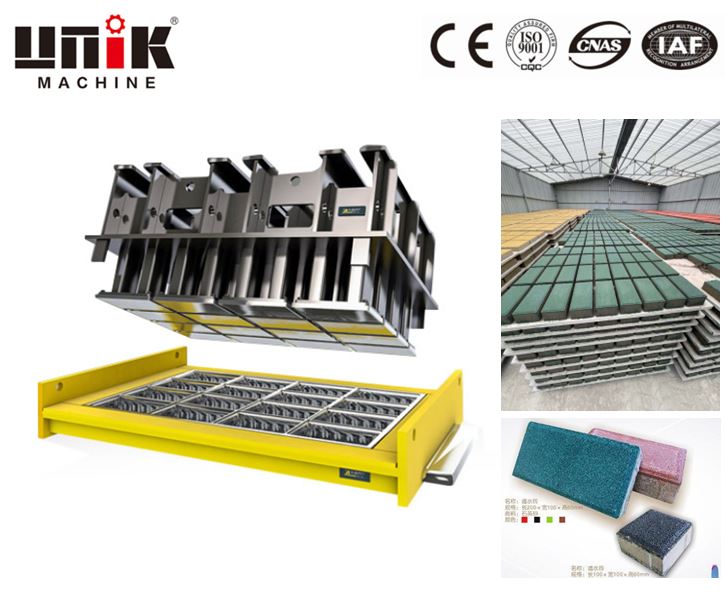
At our company, we offer a wide range of paver block moulds, including Concrete Paving Stone Mould and Interlocking Paver Block Moulds. We understand the importance of transparency in the manufacturing process, and that's why we have options in both semi - transparent and highly transparent plastics.
Our Paver Block Mould collection is designed to meet the diverse needs of our customers. Whether you're a small - scale contractor looking for an affordable option or a large - scale manufacturer in need of high - precision moulds, we've got you covered.
How to Choose the Right Transparency for Your Needs
When deciding on the transparency of your paver block mould, you need to consider a few factors.
Production Volume
If you're producing paver blocks in large volumes, you might want to opt for a more cost - effective semi - transparent mould like polypropylene. The ability to monitor the process is still there, but you won't be spending a fortune on each mould. On the other hand, if you're making a small number of high - end paver blocks, a transparent polycarbonate mould might be worth the investment.
Complexity of the Design
For simple paver block designs, a semi - transparent mould might be sufficient. However, if you're working on a complex design with intricate details, a highly transparent mould will allow you to ensure that the material fills all the nooks and crannies correctly.

Budget
Your budget is always a key consideration. As I mentioned, more transparent plastics like polycarbonate tend to be more expensive. You need to balance the benefits of transparency against the cost of the mould.
Conclusion
In conclusion, the transparency of a plastic paver block mould is an important factor that can significantly impact the quality and efficiency of your paver block production. Whether you choose a semi - transparent or highly transparent mould depends on your specific needs, production volume, design complexity, and budget.
If you're interested in learning more about our paver block moulds or have any questions about the transparency options, don't hesitate to reach out. We're here to help you make the best choice for your business. Let's work together to create high - quality paver blocks that stand the test of time.
References
- "Plastics in Construction: Properties and Applications" by John Summers
- "Concrete Paver Block Manufacturing: A Practical Guide" by Paul Anderson