

Hey there! As a supplier of precast moulds, I've been getting a lot of questions lately about whether precast moulds affect the quality of precast products. Well, let me tell you, it's a topic that's super important in our industry, and I'm stoked to share my thoughts with you.
First off, let's talk about what precast moulds are. Precast moulds are basically the templates used to shape precast products like concrete blocks, bricks, and other structures. They come in all sorts of shapes and sizes, and can be made from different materials such as steel, plastic, or fiberglass.
Now, to answer the big question - do precast moulds affect the quality of precast products? The short answer is yes, they do. And here's why.
Precision and Accuracy
One of the most crucial aspects of precast moulds is their precision and accuracy. A high - quality precast mould is designed to have exact dimensions and smooth surfaces. When the mould is precise, it ensures that the precast products it produces have consistent shapes and sizes. For example, if you're making Concrete Lego Brick Mould, the interlocking parts need to fit perfectly. A mould that's off by even a small margin can result in bricks that don't fit together properly, which is a huge quality issue.
Imagine building a large structure with precast concrete blocks. If the blocks aren't of consistent size due to an inaccurate mould, it can lead to structural instability. The walls might not be straight, and the whole building could be at risk. So, a well - made precast mould is essential for producing high - quality, reliable precast products.
Material Quality of the Mould
The material of the precast mould also plays a significant role in the quality of the final product. Steel moulds, like our Steel Moulds for Precast Concrete, are known for their durability and strength. They can withstand the high pressure and weight of the concrete during the casting process without deforming. This means that they can be used multiple times to produce consistent precast products.
On the other hand, if you use a low - quality plastic mould that's prone to warping or cracking, it can transfer these defects to the precast products. The surface of the precast item might be uneven, or it could have rough edges. Also, a mould that doesn't hold up well over time will need to be replaced frequently, which can increase production costs and affect the overall quality control of the precast products.
Surface Finish
The surface finish of the precast mould directly impacts the surface finish of the precast product. A smooth and well - finished mould will result in a precast product with a nice, clean surface. This is especially important for products that are going to be visible in the final construction, like architectural precast panels.
For instance, if you're using Precast Concrete Block Moulds to make blocks for a building's exterior, a mould with a rough surface can make the blocks look unappealing. In some cases, a poor surface finish can also affect the durability of the precast product, as it might be more prone to cracking or chipping.
Ease of Demoulding
Another factor related to the quality of precast products is the ease of demoulding. A good precast mould is designed in such a way that the precast product can be easily removed without causing any damage. If the mould has sharp corners or complex shapes that make demoulding difficult, it can lead to breakage or deformation of the precast item.
For example, if a mould has undercuts that aren't properly designed, the precast product might get stuck inside, and when you try to remove it, parts of the product could break off. This not only affects the quality of the individual product but also increases waste and production time.
Impact on Production Efficiency
The quality of precast moulds can also have an indirect impact on the quality of precast products through production efficiency. A high - quality mould allows for faster and more efficient production. It can be set up quickly, and the casting process can be repeated smoothly. This means that there's less chance of human error during production, which in turn leads to better - quality precast products.
If you're using a sub - standard mould that requires a lot of adjustments and maintenance, it can slow down the production process. Workers might get frustrated, and there's a higher likelihood of mistakes being made, such as incorrect pouring of the concrete or improper vibration. All these factors can contribute to a decrease in the quality of the precast products.
Customization and Design Flexibility
In today's construction industry, there's a growing demand for customized precast products. A good precast mould supplier should be able to offer a high level of customization. This allows architects and builders to create unique and innovative precast products that meet specific project requirements.
For example, if a project calls for precast elements with intricate patterns or special shapes, a well - designed mould can bring these designs to life. The ability to customize the mould ensures that the precast products are of high quality and meet the exact specifications of the project.

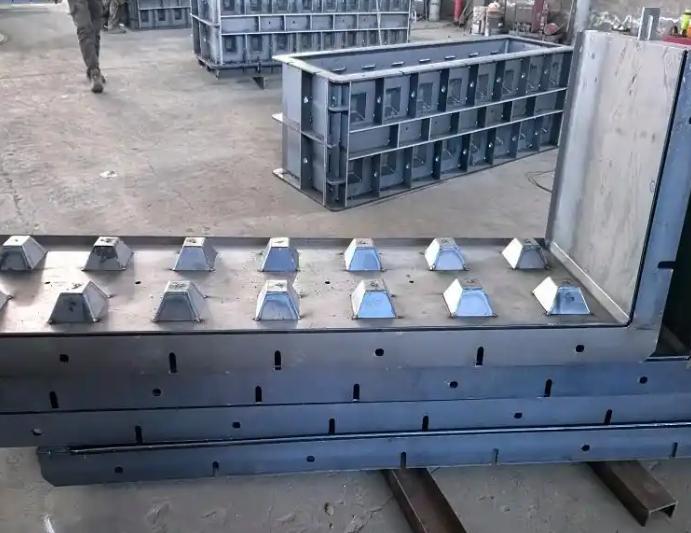
Quality Control in Mould Manufacturing
As a precast mould supplier, we have strict quality control measures in place during the manufacturing of our moulds. We use advanced manufacturing techniques and precision machinery to ensure that each mould meets the highest standards. We also conduct thorough inspections of the moulds before they are shipped to our customers.
This attention to quality in mould manufacturing is crucial because it directly translates to the quality of the precast products our customers produce. By providing high - quality moulds, we help our customers achieve better results in their precast production.
Conclusion
In conclusion, precast moulds have a huge impact on the quality of precast products. From precision and accuracy to material quality, surface finish, ease of demoulding, production efficiency, and customization, every aspect of the precast mould matters.
If you're in the precast product manufacturing business, investing in high - quality precast moulds is a no - brainer. It can save you time, money, and headaches in the long run. And as a precast mould supplier, we're committed to providing the best - in - class moulds to help you produce top - notch precast products.
If you're interested in learning more about our precast moulds or have specific requirements for your project, don't hesitate to get in touch. We're here to discuss your needs and help you find the perfect mould solutions for your precast production. Let's work together to take your precast products to the next level!
References
- "Precast Concrete: Technology, Design, and Construction" by V. V. R. N. Murty
- "Concrete Construction Engineering Handbook" by Edward G. Nawy