

Hey there! As a supplier of block moulds, I often get asked about the wear rate of these essential tools. So, I thought I'd take a moment to break it down for you and share some insights into what affects the wear rate of block moulds.
First off, let's talk about what block moulds are and why they're so important. Block moulds are used in the production of concrete blocks, which are widely used in construction for building walls, pavements, and other structures. They come in various shapes and sizes, and can be made from different materials such as steel, plastic, or rubber.
The wear rate of block moulds refers to how quickly they deteriorate or lose their effectiveness over time. This can be influenced by several factors, including the material of the mould, the type of concrete used, the frequency of use, and the maintenance practices.
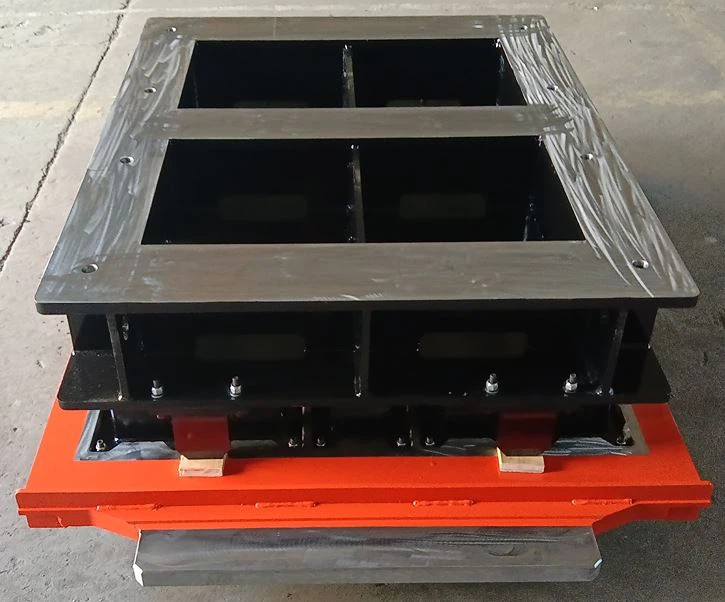
Let's start with the material of the mould. Steel block moulds, like the ones you can find here Steel Block Mould for Block Making Machine, are known for their durability and long lifespan. Steel is a strong and robust material that can withstand the high pressures and abrasion associated with concrete block production. However, even steel moulds will eventually wear out, especially if they're used frequently or if the concrete mix is particularly abrasive.
On the other hand, plastic and rubber moulds are generally less durable than steel. They're more prone to cracking, deformation, and wear, especially when exposed to high temperatures or harsh chemicals. However, they can be a more cost-effective option for small-scale or occasional use.
The type of concrete used also plays a significant role in the wear rate of block moulds. Concrete that contains a high percentage of coarse aggregates or sharp particles can cause more abrasion and wear on the mould surface. Additionally, if the concrete mix is too wet or too dry, it can affect the quality of the blocks and increase the stress on the moulds.
The frequency of use is another important factor. Moulds that are used continuously or at high production rates will naturally wear out faster than those that are used less frequently. It's important to consider the production volume and schedule when choosing block moulds to ensure that they can handle the workload without excessive wear.
Proper maintenance is crucial for extending the lifespan of block moulds. Regular cleaning, lubrication, and inspection can help prevent the buildup of concrete residue, rust, and other contaminants that can cause damage to the mould surface. Additionally, storing the moulds in a dry and protected environment when not in use can help prevent corrosion and other forms of damage.
Now, let's take a closer look at some of the signs of wear in block moulds. One of the most obvious signs is a change in the shape or size of the blocks produced. If the blocks are coming out misshapen, have rough surfaces, or are not the correct dimensions, it could be a sign that the mould is worn or damaged. Another sign is the presence of cracks, chips, or other visible damage on the mould surface. These can not only affect the quality of the blocks but also increase the risk of further damage to the mould.
So, how can you reduce the wear rate of block moulds and get the most out of your investment? Here are some tips:
- Choose the right material: As mentioned earlier, steel moulds are generally more durable than plastic or rubber. However, you should also consider the specific requirements of your production process and choose a material that is suitable for your needs.
- Use the right concrete mix: Make sure the concrete mix is well-balanced and contains the appropriate amount of aggregates, cement, and water. Avoid using mixes that are too abrasive or too wet/dry.
- Follow proper maintenance procedures: Regularly clean, lubricate, and inspect the moulds to prevent the buildup of contaminants and damage. Store the moulds in a dry and protected environment when not in use.
- Monitor the production process: Keep an eye on the quality of the blocks produced and look for any signs of wear or damage in the moulds. If you notice any issues, take action immediately to prevent further damage.
- Invest in high-quality moulds: While it may be tempting to go for the cheapest option, investing in high-quality block moulds can actually save you money in the long run. High-quality moulds are more durable, require less maintenance, and can produce better-quality blocks.
In conclusion, the wear rate of block moulds is influenced by several factors, including the material of the mould, the type of concrete used, the frequency of use, and the maintenance practices. By choosing the right material, using the right concrete mix, following proper maintenance procedures, and monitoring the production process, you can reduce the wear rate of your block moulds and get the most out of your investment.
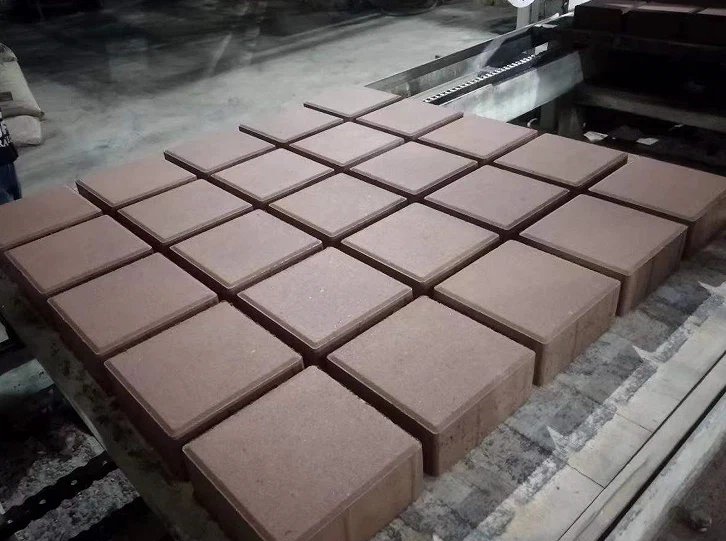
If you're in the market for block moulds, we offer a wide range of high-quality options, including Interlock Block Mould and Pavement Block Moulds. Our team of experts can help you choose the right moulds for your specific needs and provide you with all the support and advice you need to ensure a successful production process.
So, if you're interested in learning more about our block moulds or have any questions, don't hesitate to get in touch. We'd love to hear from you and help you take your block production to the next level.
References
- Concrete Block Association. (2023). Best Practices for Block Mould Maintenance.
- International Journal of Construction Materials. (2022). Impact of Concrete Mix Design on Block Mould Wear.
- Steel Manufacturers Association. (2021). Properties and Applications of Steel in Block Mould Production.