

Adjusting the density of blocks made with a block paving mould is a crucial aspect of the block manufacturing process. As a trusted supplier of [Block Paving Moulds], I have witnessed firsthand the significance of achieving the right block density. In this blog post, I will share some valuable insights on how to adjust the density of blocks effectively, ensuring high - quality and durable end products.
Understanding the Importance of Block Density
Before delving into the adjustment methods, it is essential to understand why block density matters. The density of a block affects its strength, durability, and resistance to environmental factors. A block with the appropriate density will have better load - bearing capacity, making it suitable for various applications such as pavements, walls, and foundations. Moreover, a well - densified block is less likely to crack or crumble over time, which is crucial for long - term performance.
Factors Affecting Block Density
Several factors can influence the density of blocks made with a block paving mould. These include the mix design of the concrete, the compaction process, and the moisture content of the mixture.
Mix Design
The mix design of the concrete is perhaps the most critical factor. It involves determining the right proportions of cement, aggregates (such as sand and gravel), water, and additives. A higher cement content generally leads to a denser block, as cement acts as a binder that holds the aggregates together. However, an excessive amount of cement can also increase the cost and may cause shrinkage cracks.
Aggregates also play a vital role. Well - graded aggregates with a proper distribution of particle sizes can fill the voids more effectively, resulting in a denser block. For example, using a combination of fine and coarse aggregates can improve the packing density of the mixture.
Compaction Process
The compaction process is another key factor in achieving the desired block density. Compaction reduces the air voids within the concrete mixture, making the block more solid. There are several methods of compaction, including vibration, pressure, or a combination of both.
Vibration is a common method used in block manufacturing. By vibrating the concrete mixture in the mould, the particles are rearranged, and the air bubbles are forced to the surface. The intensity and duration of vibration are crucial. Insufficient vibration may leave air voids in the block, while excessive vibration can cause segregation of the aggregates.
Pressure compaction involves applying external pressure to the concrete mixture in the mould. This can be done using hydraulic presses or other mechanical devices. Pressure compaction can achieve higher densities compared to vibration alone, especially for blocks with complex shapes or high - strength requirements.
Moisture Content
The moisture content of the concrete mixture is also important. If the mixture is too dry, it may not be workable, and the compaction process will be less effective. On the other hand, if the mixture is too wet, it can lead to segregation of the aggregates and a decrease in block density. The optimal moisture content depends on the type of cement, aggregates, and the compaction method used. Generally, a slump test can be conducted to determine the appropriate moisture content.
Adjusting Block Density
Now that we understand the factors affecting block density, let's discuss how to adjust it.
Adjusting the Mix Design
To increase the density of the blocks, you can start by adjusting the mix design. As mentioned earlier, increasing the cement content can be an effective way. However, it is important to do this within a reasonable range. You can also experiment with different types of aggregates or change the gradation of the existing aggregates. For example, adding a small amount of fine sand can fill the voids between the larger aggregates, improving the overall density.
Another option is to use additives. Some additives, such as plasticizers and superplasticizers, can improve the workability of the concrete mixture without increasing the water content. This allows for better compaction and can result in a denser block.
Optimizing the Compaction Process
If the blocks are not achieving the desired density, you may need to optimize the compaction process. For vibration compaction, check the vibration frequency and amplitude. You may need to adjust these parameters based on the type of block and the concrete mixture. Additionally, ensure that the vibration is evenly distributed throughout the mould.
For pressure compaction, adjust the pressure applied. Higher pressures can generally lead to higher densities, but be careful not to over - compact, as this can damage the mould or the block. You may also need to adjust the duration of the pressure application.
Controlling the Moisture Content
Maintaining the right moisture content is crucial for achieving the desired block density. Regularly monitor the moisture content of the concrete mixture using a moisture meter. If the mixture is too dry, add a small amount of water gradually and mix thoroughly. If it is too wet, you can add some dry aggregates or absorbent materials to reduce the moisture content.
Case Studies
Let's take a look at some real - world examples of how adjusting block density can make a difference.
A construction company was using our Building Block Moulds to produce blocks for a large - scale building project. Initially, the blocks had a lower density than required, which was causing concerns about their strength and durability. After consulting with our technical team, they adjusted the mix design by increasing the cement content slightly and using a well - graded aggregate combination. They also optimized the vibration compaction process by increasing the vibration frequency. As a result, the density of the blocks increased significantly, and they met the project's requirements.

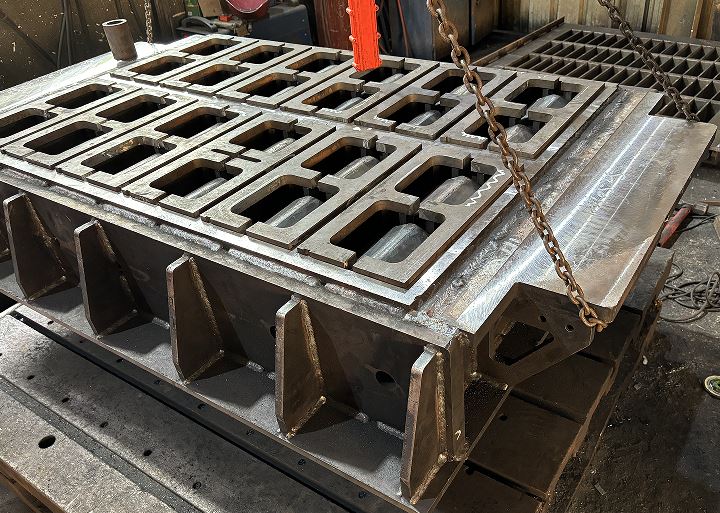
Another customer was using our Mould for Concrete Blocks to produce hollow blocks. They were facing issues with the block walls being too thin and prone to cracking. By adjusting the compaction pressure and controlling the moisture content more precisely, they were able to increase the density of the hollow blocks, improving their structural integrity.
Conclusion
Adjusting the density of blocks made with a block paving mould is a multi - faceted process that requires careful consideration of various factors. By understanding the mix design, optimizing the compaction process, and controlling the moisture content, you can produce high - quality blocks with the desired density.
As a leading supplier of block paving moulds, we offer a wide range of products, including Hollow Block Mould, Building Block Moulds, and Mould for Concrete Blocks. Our team of experts is always ready to provide technical support and guidance to help you achieve the best results.
If you are interested in purchasing our block paving moulds or need more information on block density adjustment, please feel free to contact us. We look forward to discussing your requirements and assisting you in your block manufacturing process.
References
- Neville, A. M. (1996). Properties of Concrete. Pearson Education.
- Mehta, P. K., & Monteiro, P. J. M. (2014). Concrete: Microstructure, Properties, and Materials. McGraw - Hill Education.