

When it comes to the construction industry, the demand for high - quality block moulds is ever - present. As a dedicated supplier of Benton Block Moulds, I often receive inquiries about the cost of these essential tools. In this blog, I'll delve into the factors that influence the price of Benton Block Moulds and provide a comprehensive overview of what you can expect in terms of cost.
Understanding Benton Block Moulds
Benton Block Moulds are crucial in the production of various types of blocks used in construction projects. They are designed to shape concrete, cement, and other materials into the desired block forms, such as solid blocks, hollow blocks, and interlocking blocks. The quality of the mould directly impacts the quality of the blocks produced, making it a significant investment for block manufacturers.
Factors Affecting the Cost of Benton Block Moulds
1. Material Quality
The material used to make the mould is one of the primary factors influencing its cost. High - grade steel is commonly used for Benton Block Moulds due to its durability and resistance to wear and tear. Steel moulds can withstand repeated use and high - pressure conditions during the block - making process. However, the quality of steel can vary, with premium grades being more expensive. For instance, moulds made from stainless steel or alloy steel are likely to cost more than those made from regular carbon steel. These high - quality materials ensure a longer lifespan for the mould, reducing the need for frequent replacements and ultimately saving money in the long run.
2. Design Complexity
The design of the block mould also plays a significant role in determining its price. Simple, standard - shaped moulds, such as those for basic rectangular blocks, are generally less expensive to manufacture. On the other hand, moulds with complex designs, such as those for decorative blocks or blocks with unique interlocking features, require more intricate manufacturing processes. These processes involve advanced machining, precision cutting, and additional labor, all of which contribute to a higher cost. For example, a Concrete Block Mould with a basic design will be more affordable compared to a mould for a custom - designed decorative block.
3. Size and Dimensions
The size of the block mould is another important cost - determining factor. Larger moulds require more material and more extensive manufacturing processes. They also need more space for storage and transportation, which can add to the overall cost. For example, a Cement Block Mould for large - scale commercial blocks will be more expensive than a mould for smaller, residential - use blocks. Additionally, non - standard sizes may require custom manufacturing, which often comes at a premium price.
4. Quantity Ordered
Economies of scale come into play when ordering Benton Block Moulds. Ordering a larger quantity of moulds typically results in a lower per - unit cost. This is because the fixed costs associated with manufacturing, such as tooling setup and production planning, are spread over a larger number of units. For block manufacturers planning large - scale production, ordering in bulk can significantly reduce the overall cost of the moulds. However, it's important to ensure that the storage and handling facilities can accommodate the large quantity of moulds.
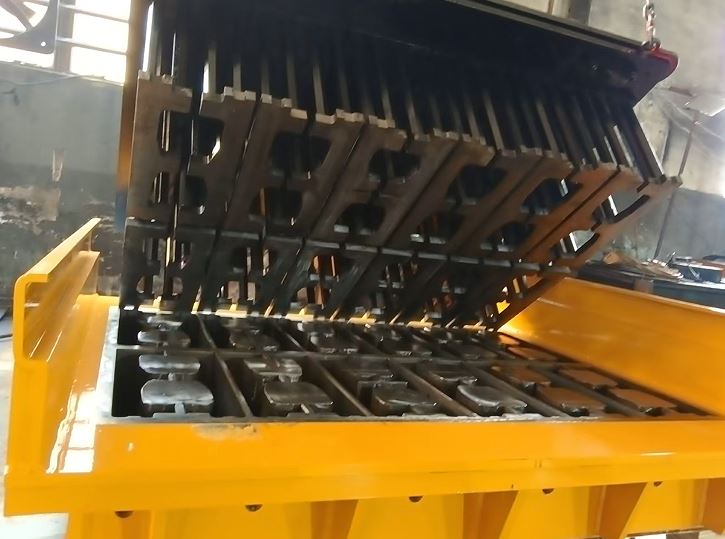

5. Manufacturer and Brand
The reputation and experience of the manufacturer can also affect the price of Benton Block Moulds. Well - established manufacturers with a history of producing high - quality moulds often charge a premium for their products. This is because they invest in research and development, use the latest manufacturing technologies, and provide better after - sales service. While the initial cost may be higher, the reliability and performance of their moulds can lead to long - term savings and fewer production issues.
Price Range of Benton Block Moulds
Based on the factors mentioned above, the price of Benton Block Moulds can vary widely. For basic, small - sized, standard - design moulds made from regular carbon steel, the cost can start from a few hundred dollars per piece. These are suitable for small - scale block production or for testing new block designs.
On the other hand, large - sized, complex - design moulds made from high - quality steel can cost several thousand dollars per piece. For example, a Concrete Hollow Block Mould with advanced features and a large production capacity may fall into this higher price range.
If you're looking to purchase in bulk, the per - unit cost can be significantly reduced. For instance, ordering 10 or more standard - sized moulds may result in a discount of up to 10 - 20% compared to the single - unit price.
Cost - Benefit Analysis
When considering the cost of Benton Block Moulds, it's essential to conduct a cost - benefit analysis. While it may be tempting to opt for the cheapest mould available, this can lead to lower - quality blocks and more frequent mould replacements. A higher - quality mould, although more expensive initially, can result in better - quality blocks, higher production efficiency, and fewer maintenance issues.
For example, a high - quality mould may produce blocks with smoother surfaces and more precise dimensions, which can increase the market value of the blocks. Additionally, the longer lifespan of a premium mould means less downtime for replacement and maintenance, allowing for continuous and efficient block production.
Making an Informed Decision
As a Benton Block Moulds supplier, I understand that making the right purchasing decision is crucial for your business. Here are some tips to help you make an informed choice:
- Define Your Requirements: Clearly identify the type, size, and design of the blocks you need to produce. This will help you narrow down your options and find the most suitable mould.
- Research Manufacturers: Look for reputable manufacturers with a proven track record. Read customer reviews and ask for references to ensure the quality of their products.
- Get Multiple Quotes: Request quotes from different suppliers to compare prices and features. This will give you a better understanding of the market and help you negotiate a better deal.
- Consider Long - Term Costs: Don't just focus on the initial cost. Consider the long - term costs associated with maintenance, replacement, and production efficiency.
Contact for Purchase and Negotiation
If you're interested in purchasing Benton Block Moulds, I encourage you to reach out to me. I can provide you with detailed information about our product range, pricing, and customization options. Whether you're a small - scale block producer or a large - scale construction company, I'm committed to helping you find the best - fitting solution for your needs. We can discuss your specific requirements and negotiate a price that suits your budget.
References
- Construction Materials Handbook: A Guide to Selection and Specification. This handbook provides in - depth information about the materials used in block mould manufacturing and their impact on cost.
- Industry reports on the block mould manufacturing sector, which offer insights into market trends, pricing, and technological advancements.